Introduction
In today’s high-speed digital landscape, fiber optic infrastructure forms the backbone of virtually every critical network system. Among the various fiber optic components, the LC-LC patch cord stands as one of the most essential and widely deployed connectivity solutions in modern data centers and telecommunications networks.
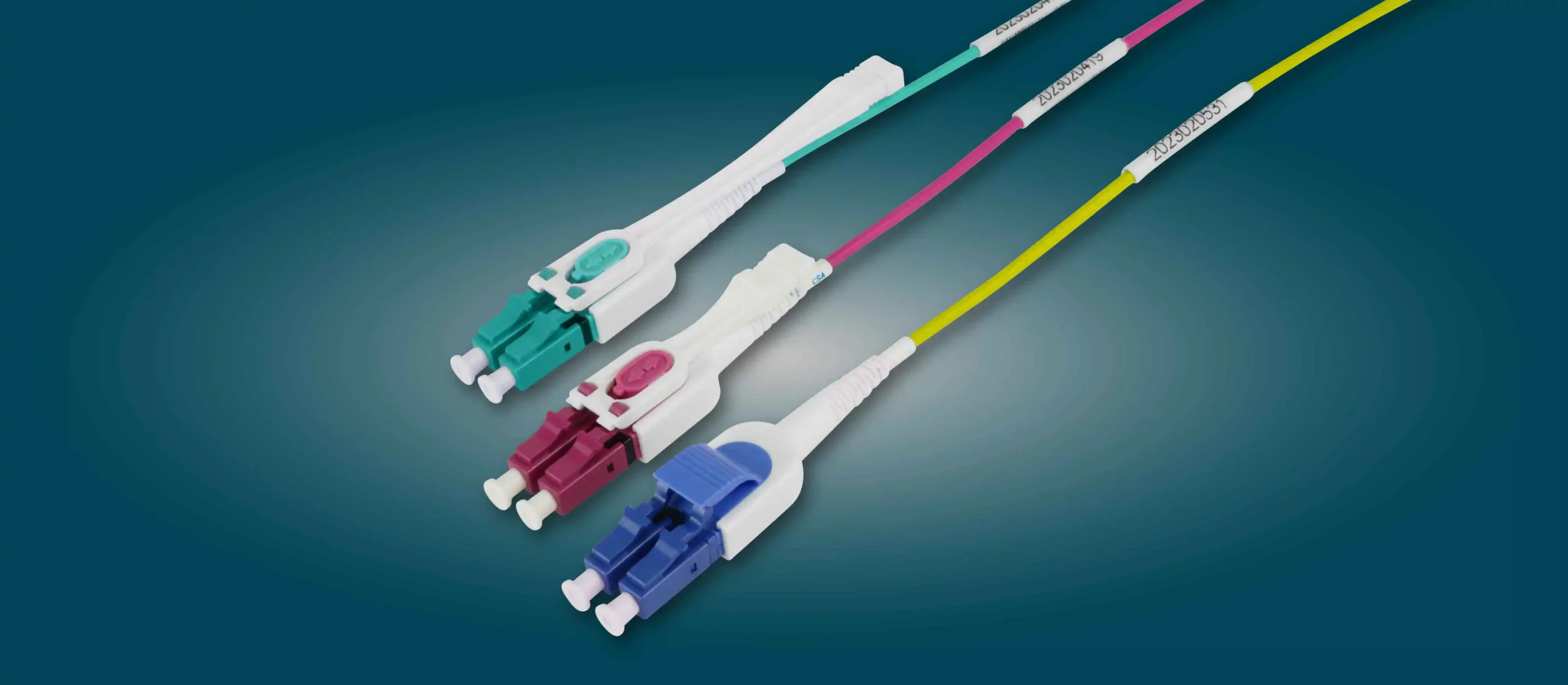
An LC-LC patch cord represents a specialized fiber optic cable terminated with LC (Lucent Connector) connectors on both ends, designed to provide reliable, high-performance optical connections between network equipment. These compact, precision-engineered cables have revolutionized network density and performance capabilities, enabling network professionals to build more efficient and scalable infrastructure systems.
The growing demand for bandwidth-intensive applications, cloud computing services, and high-speed data transmission has elevated the importance of LC connector technology in network design. Understanding the technical specifications, applications, and best practices surrounding LC-LC patch cords becomes crucial for anyone involved in modern network infrastructure planning and implementation.
Understanding LC Connectors and Their Design
The LC connector, originally developed by Lucent Technologies (now part of Nokia), represents a significant advancement in fiber optic connector technology. This small form factor (SFF) connector was specifically designed to address the growing need for higher port density in network equipment while maintaining superior optical performance characteristics.
Physical Characteristics and Engineering Excellence
LC connectors feature a distinctive 1.25 mm ferrule diameter, which is exactly half the size of standard SC connectors. This miniaturized design allows network equipment manufacturers to pack twice as many fiber connections into the same physical space, making LC connectors ideal for high-density applications where rack space comes at a premium.
The connector employs a push-pull coupling mechanism with a retention tab system that ensures secure connections while allowing for easy insertion and removal. The precision-molded housing provides excellent protection for the optical fiber while maintaining consistent alignment between mated connectors.
Professional network installations benefit from the LC connector’s robust mechanical design, which incorporates spring-loaded mechanisms that maintain proper fiber contact pressure throughout the connection’s operational life. This engineering approach minimizes insertion loss variability and ensures consistent performance across thousands of mating cycles.
Comparison with Other Fiber Connector Types
When compared to traditional SC, ST, and FC connectors, LC connectors offer distinct advantages in modern network environments. SC connectors, while reliable, require significantly more space and don’t support the high port densities demanded by contemporary data center designs. ST connectors use bayonet coupling mechanisms that can be more time-consuming to connect and disconnect in high-density installations.
The LC connector’s small form factor doesn’t compromise optical performance. In fact, many LC implementations achieve superior insertion loss and return loss specifications compared to larger connector types. This combination of compact size and excellent optical characteristics has made LC connectors the de facto standard for new network equipment installations.
Professional network designers often choose LC connectors for their versatility in supporting both single-mode and multimode applications within the same connector platform. This standardization simplifies inventory management and reduces training requirements for installation and maintenance personnel.
Types and Configurations of LC-LC Patch Cords

The variety of LC patch cord configurations available in the market reflects the diverse requirements of modern network applications. Understanding these different types helps network professionals select the optimal solution for specific deployment scenarios.
Single-Mode vs. Multimode Configurations
Single-mode LC-LC patch cords utilize 9/125 μm fiber cores designed for long-distance, high-bandwidth applications. These cables excel in telecommunications backbone networks, campus interconnections, and applications requiring transmission distances exceeding 2 kilometers. The smaller core diameter of single-mode fiber enables signals to travel greater distances with minimal attenuation and dispersion.
Multimode LC-LC patch cords employ larger fiber cores, typically 50/125 μm or 62.5/125 μm, optimized for shorter-distance, high-speed applications. In data center environments, OM3 and OM4 multimode patches support 10, 40, and 100 Gigabit Ethernet applications over distances up to several hundred meters. The larger core diameter facilitates easier splicing and termination while providing excellent performance for local area network applications.
Professional installations often require careful consideration of fiber type selection based on transmission distance requirements, bandwidth needs, and existing infrastructure compatibility. Mixed-mode deployments may utilize both single-mode and multimode patches within the same facility to optimize performance and cost-effectiveness.
Duplex and Simplex Options
Duplex LC-LC patch cords feature two fiber strands within a single cable assembly, supporting bidirectional communication protocols used in most network applications. The duplex configuration includes standardized polarity arrangements that ensure proper transmit and receive signal routing between connected devices.
Simplex LC patches contain a single fiber strand and find applications in unidirectional systems or specialized monitoring equipment. While less common than duplex configurations, simplex patches serve important roles in optical power monitoring, signal distribution, and certain industrial applications.
The zip-cord construction used in most duplex LC patches allows for easy separation of individual fibers when required for specific installation constraints. This flexibility proves valuable in tight spaces where cable routing requires individual fiber management.
Specialized Cable Constructions
Armored LC-LC patch cords incorporate additional protection layers designed for harsh environmental conditions or high-traffic areas where cables face potential mechanical damage. The armored construction typically includes metal braiding or corrugated metal tubing that protects the optical fiber while maintaining flexibility for installation.
Outdoor-rated LC patches feature enhanced jacket materials and water-resistant designs suitable for inter-building connections and external plant applications. These specialized cables meet stringent environmental standards for temperature cycling, moisture resistance, and UV exposure.
Plenum-rated cables comply with building fire safety codes for installation in air handling spaces. The special jacket materials used in plenum cables produce minimal smoke and toxic gases in fire conditions, meeting OFNP (Optical Fiber Nonconductive Plenum) rating requirements.
Technical Specifications and Industry Standards
The performance characteristics of LC LC patch cords are governed by rigorous industry standards that ensure interoperability and consistent performance across different manufacturers and applications. These specifications provide the foundation for reliable network operation and long-term infrastructure investment protection.
Optical Performance Parameters
Insertion loss represents one of the most critical specifications for LC-LC patch cords, typically ranging from 0.15 dB to 0.3 dB for high-quality assemblies. This parameter measures the optical power lost when light passes through the connector interface, directly impacting overall link budget calculations and transmission distance capabilities.
Return loss specifications indicate how much optical power is reflected back toward the source rather than transmitted through the connection. Quality LC patches achieve return loss values exceeding 50 dB for ultra-physical contact (UPC) polished connectors and 60 dB or better for angled physical contact (APC) versions.
Professional network installations require careful attention to these parameters when calculating optical link budgets. Cumulative insertion losses from multiple patch cord connections can significantly impact overall system performance, particularly in long-distance or high-loss applications.
Industry Standards Compliance
TIA/EIA-568 standards define performance requirements for telecommunications cabling systems, including specifications for LC connector assemblies. Compliance with these standards ensures compatibility with structured cabling systems and provides performance guarantees for installed infrastructure.
IEC 61754 standards establish international specifications for fiber optic connectors, including dimensional tolerances, optical performance requirements, and environmental testing procedures. LC connectors meeting these standards demonstrate proven reliability across diverse operating conditions.
ITU-T recommendations provide additional guidance for fiber optic systems used in telecommunications applications. These standards address specific requirements for carrier-grade equipment and long-haul transmission systems where LC patches may be deployed.
Cable Construction Standards
The fiber optic cables used in LC-LC patch cord assemblies must meet specific construction standards that address cable design, material selection, and manufacturing processes. These standards ensure consistent performance and reliability across different environmental conditions.
Jacket material selection impacts cable performance in various installation environments. PVC jackets provide adequate protection for general indoor applications, while low-smoke zero-halogen (LSZH) materials offer enhanced fire safety characteristics required in many commercial installations.
Fiber coating and buffer materials protect the glass fiber from environmental stresses while maintaining optical properties. Tight-buffered construction, commonly used in patch cords, provides excellent protection for indoor applications while maintaining flexibility for easy installation and management.
Applications and Use Cases in Modern Networks
LC patch cords serve critical roles across diverse network applications, from hyperscale data centers to enterprise local area networks. Understanding these applications helps network professionals appreciate the versatility and importance of LC connector technology in contemporary infrastructure designs.
Data Center Interconnection Systems
Modern data centers rely heavily on LC-LC patch cords for server-to-switch connections, storage area network implementations, and inter-rack connectivity. The high port density achievable with LC connectors enables data center operators to maximize the utilization of expensive rack space while supporting ever-increasing bandwidth requirements.
Hyperscale facilities often deploy thousands of LC patches to support cloud computing infrastructure, where rapid provisioning and high reliability are essential. The standardized LC interface simplifies inventory management and reduces deployment complexity in these large-scale environments.
Top-of-rack switching architectures particularly benefit from LC connector density advantages. Network administrators can support higher server counts per switch while maintaining organized cable management that facilitates troubleshooting and maintenance activities.
Telecommunications Infrastructure
Telecommunications service providers utilize LC-LC patch cords extensively in central office equipment, fiber distribution hubs, and customer premise equipment connections. The connector’s excellent optical performance supports high-speed services, while the compact form factor enables efficient use of valuable equipment real estate.
Metro networks and regional connectivity systems rely on LC patches for equipment interconnections where space constraints and performance requirements demand optimized solutions. The reliability of LC connectors proves essential in carrier-grade applications where service outages carry significant financial and reputational consequences.
5G network infrastructure deployments increasingly specify LC connectors for fronthaul and backhaul connections due to their ability to support the high bandwidth and low latency requirements of next-generation cellular systems.
Enterprise Network Deployments
Corporate networks benefit from LC-LC patch cords in applications ranging from desktop connectivity to backbone infrastructure. The connector’s small size proves particularly valuable in office environments where aesthetic considerations and space constraints influence network design decisions.
Campus network implementations use LC patches for inter-building connections, equipment room interconnects, and high-performance workstation connections. The versatility of LC connectors in supporting both single-mode and multimode applications simplifies network standardization efforts.
Structured cabling systems increasingly specify LC connectors as the standard interface for horizontal and backbone cabling, providing future-proofing capabilities that protect infrastructure investments as bandwidth requirements continue growing.
Advantages and Benefits of LC-LC Patch Cords

The widespread adoption of LC-LC patch cords in professional network environments reflects the numerous advantages these components offer over alternative connectivity solutions. These benefits extend beyond simple technical specifications to encompass operational, economic, and strategic considerations.
High-Density Connectivity Benefits
The compact size of LC connectors enables equipment manufacturers to design switches, routers, and other network devices with significantly higher port densities than possible with larger connector types. This advantage translates directly into reduced equipment costs, lower power consumption per port, and more efficient use of rack space in data centers and telecommunications facilities.
Network administrators benefit from simplified cable management when dealing with high-port-count equipment. The organized appearance achievable with LC patch panels and equipment reduces troubleshooting time and minimizes the risk of accidental disconnections during maintenance activities.
Space efficiency becomes particularly important in colocation facilities and leased data center environments where rack space commands premium pricing. LC connector density enables organizations to maximize their infrastructure capabilities within allocated footprints.
Superior Optical Performance Characteristics
LC connectors achieve excellent insertion loss and return loss specifications through precision manufacturing processes and advanced ferrule polishing techniques. These performance characteristics directly translate into extended transmission distances and improved signal quality for network applications.
The consistent mechanical design of LC connectors minimizes performance variation between different manufacturers’ products, providing network designers with confidence in system performance calculations. This reliability proves essential in applications where optical link budgets must be carefully managed to achieve required transmission distances.
Professional installations benefit from the connector’s resistance to contamination and environmental factors that could degrade optical performance over time. The push-pull coupling mechanism provides secure connections while protecting fiber end faces from damage during installation and maintenance activities.
Cost-Effectiveness and Economic Benefits
While LC connectors may carry slightly higher unit costs compared to some legacy connector types, their operational benefits often result in lower total cost of ownership for network infrastructure. Higher port densities reduce equipment requirements, while improved performance characteristics extend equipment refresh cycles.
Volume purchasing advantages become significant for large-scale deployments where thousands of patch cords may be required. Standardizing on LC connectors simplifies procurement processes and enables better negotiated pricing through consolidated purchasing.
Maintenance and operational cost benefits accumulate over the infrastructure’s operational lifetime through reduced troubleshooting time, simplified inventory management, and improved system reliability that minimizes service disruptions.
Cable Length Options and Network Design Considerations
The selection of appropriate cable lengths for LC LC patch cords significantly impacts network performance, installation efficiency, and long-term maintainability. Professional network designs must balance technical requirements with practical installation constraints to optimize overall system performance.
Standard Length Offerings and Applications
Most manufacturers offer LC-LC patch cords in standard lengths ranging from 1 meter to 30 meters or more, with common options including 1 m, 2 m, 3 m, 5 m, 10 m, 15 m, and 30 m configurations. These standardized lengths accommodate typical equipment spacing in data centers, telecommunications facilities, and enterprise network installations.
Short-length patches (1-3 meters) prove ideal for equipment rack internal connections, patch panel to switch connections, and applications where cable management space is limited. The minimal slack associated with these lengths contributes to organized installations that facilitate maintenance and troubleshooting activities.
Longer patches (10+ meters) serve inter-rack connections, equipment room to telecommunications room links, and campus backbone applications where extended reach is required. However, longer cables require careful attention to bend radius requirements and cable management to prevent performance degradation.
Custom Length Manufacturing Considerations
Large-scale installations often benefit from custom-length LC-LC patch cords that eliminate excess cable length and optimize cable management systems. Custom manufacturing typically requires longer lead times and higher minimum order quantities but can provide significant operational benefits in major deployments.
Professional installations may justify custom lengths when standard options result in excessive cable slack that complicates management or creates airflow restrictions in data center environments. The improved aesthetics and reduced maintenance complexity often offset the additional procurement costs.
Quality considerations become particularly important for custom-length cables, as specialized manufacturing processes must maintain the same performance standards achieved with standard production runs. Reputable manufacturers provide performance test results and certifications for custom assemblies.
Signal Attenuation and Distance Limitations
Optical signal attenuation increases with cable length, requiring careful consideration of link budget calculations when selecting patch cord lengths. While LC-LC patch cords contribute relatively little attenuation compared to long-haul fiber spans, their cumulative effect becomes significant in complex network topologies with multiple connections.
Single-mode LC patches typically exhibit attenuation rates of approximately 0.4 dB/km, while multimode versions may range from 1.5 to 3.5 dB/km depending on fiber type and operating wavelength. These characteristics must be factored into overall system design calculations to ensure adequate signal levels at receiving equipment.
Professional network designs often include optical power budget analysis that accounts for all passive components in the signal path, including patch cords, splices, and passive optical components. This analysis ensures reliable operation across the full range of environmental conditions and component aging effects.
Quality Factors and Performance Metrics
The performance and reliability of LC-LC patch cords depend on numerous quality factors that extend beyond basic optical specifications. Understanding these factors helps network professionals select products that deliver consistent performance throughout their operational lifetime.
Manufacturing Quality and Precision Engineering
Connector quality begins with precision manufacturing processes that maintain tight tolerances on ferrule dimensions, polish quality, and housing alignment. High-quality LC connectors utilize ceramic ferrules manufactured to dimensional tolerances measured in micrometers, ensuring consistent optical alignment between mated pairs.
End-face geometry plays a critical role in optical performance, with variations measured in nanometers affecting insertion loss and return loss characteristics. Advanced manufacturing facilities employ automated polishing systems and inspection equipment to achieve consistent surface finishes that meet or exceed industry standards.
Quality control processes in reputable manufacturing facilities include individual testing of optical performance parameters, dimensional verification, and environmental stress testing. These procedures ensure that products meet published specifications and provide consistent performance in field applications.
Cable Construction Quality Indicators
The fiber optic cable used in LC-LC patch cord assemblies significantly impacts overall performance and reliability. High-quality cables utilize premium glass fibers manufactured to strict specifications for attenuation, bandwidth, and environmental performance characteristics.
Jacket materials and construction methods affect cable durability and performance in various environmental conditions. Superior jacket compounds provide excellent resistance to temperature cycling, chemical exposure, and mechanical stress while maintaining flexibility for installation in tight spaces.
Strain relief design at connector interfaces prevents cable damage from excessive bending or pulling forces during installation and operation. Well-engineered strain reliefs distribute mechanical stresses over adequate lengths to prevent fiber damage while maintaining the cable’s specified bend radius limitations.
Testing Standards and Quality Assurance
Industry testing standards provide objective measures for evaluating LC-LC patch cord performance and reliability. These standards address optical performance, mechanical durability, and environmental resistance characteristics that affect field performance.
Insertion loss and return loss testing procedures defined by industry standards ensure consistent measurement methods across different manufacturers and testing facilities. Standardized test methods enable accurate comparison of products from different suppliers and provide confidence in published specifications.
Environmental testing standards simulate the range of conditions that patch cords may encounter during their operational lifetime. These tests include temperature cycling, humidity exposure, vibration resistance, and connector durability verification that validates long-term reliability claims.
Installation Best Practices and Professional Techniques
Proper installation techniques significantly impact the performance and longevity of LC-LC patch cord installations. Professional network technicians follow established best practices that ensure optimal system performance while protecting expensive network infrastructure investments.
Handling and Storage Procedures
Proper handling procedures protect LC-LC patch cords from damage during transportation, storage, and installation activities. Optical fibers and connectors are sensitive to physical damage, contamination, and environmental stresses that can degrade performance or cause complete connection failure.
Storage environments should maintain stable temperature and humidity conditions while protecting cables from dust, chemical vapors, and physical damage. Professional installations often utilize dedicated storage areas with environmental controls and organizational systems that facilitate inventory management and quality preservation.
Transportation procedures must account for bend radius limitations and mechanical shock protection. Specialized packaging and shipping methods ensure that delicate optical components arrive at installation sites in optimal condition, ready for immediate deployment.
Connector Cleaning and Maintenance Protocols
Contamination represents one of the leading causes of optical connection problems, making proper cleaning procedures essential for reliable network operation. Professional cleaning protocols utilize specialized tools, cleaning materials, and inspection equipment designed specifically for fiber optic applications.
Dry cleaning methods using lint-free wipes and compressed air provide effective contamination removal for many installation scenarios. Wet cleaning procedures using isopropyl alcohol and specialized cleaning solutions address more stubborn contamination that dry methods cannot remove effectively.
Inspection procedures using fiber microscopes or videoscopes verify cleaning effectiveness and identify potential problems before connections are made. These inspection steps prevent contaminated connections that could damage expensive network equipment or degrade system performance.
Cable Management and Routing Techniques
Professional cable management systems organize LC-LC patch cords in ways that facilitate maintenance activities while protecting cables from damage and maintaining required bend radius specifications. These systems contribute to improved reliability and reduced troubleshooting time.
Bend radius management becomes particularly critical with fiber optic cables, as excessive bending can cause signal attenuation or physical damage to optical fibers. Professional installations maintain bend radii at least 10 times the cable diameter during installation and 20 times the diameter for long-term installations.
Cable routing strategies minimize mechanical stress on connectors and cables while providing adequate service loops for future maintenance activities. Well-designed routing systems accommodate thermal expansion, equipment vibration, and routine maintenance access without stressing optical connections.
Troubleshooting and Maintenance Strategies
Effective troubleshooting and maintenance procedures ensure the continued reliable operation of LC-LC patch cord installations throughout their service lifetime. Professional network operations teams develop systematic approaches that quickly identify and resolve connectivity issues.
Common Connectivity Issues and Diagnostic Techniques
Signal loss problems often result from contaminated connectors, damaged fibers, or improper connections. Systematic troubleshooting procedures begin with visual inspection of connectors and cables, followed by optical power measurements and end-face examination using appropriate inspection equipment.
Intermittent connection problems may indicate mechanical issues such as loose connectors, damaged strain reliefs, or cables subjected to mechanical stress beyond their design limitations. These issues require careful physical inspection and may necessitate cable replacement to restore reliable operation.
Performance degradation over time can result from contamination accumulation, connector wear, or environmental factors affecting cable performance. Regular performance monitoring and preventive maintenance help identify developing problems before they impact network operation significantly.
Testing Procedures and Equipment Requirements
Optical power meters provide quantitative measurements of signal levels that help isolate connection problems and verify system performance. These instruments enable technicians to measure insertion loss characteristics and compare results against baseline measurements established during installation.
Optical time domain reflectometers (OTDRs) offer advanced diagnostic capabilities for identifying specific problem locations within fiber optic links. While typically used for longer cable runs, OTDR measurements can identify problems in patch cord installations when other diagnostic methods prove insufficient.
Visual fault locators use visible laser light to identify fiber breaks, sharp bends, or connector problems in patch cord installations. These tools provide quick problem identification capabilities that complement other diagnostic equipment in professional tool kits.
Preventive Maintenance Programs
Scheduled inspection and cleaning programs help prevent contamination-related problems that account for a significant percentage of fiber optic connection failures. These programs typically include regular connector inspection, cleaning when necessary, and performance verification measurements.
Documentation systems track the history of individual patch cord installations, including installation dates, performance measurements, and maintenance activities. This information helps identify patterns that may indicate systematic problems or enable proactive replacement before failures occur.
Training programs ensure that network operations personnel understand proper handling, cleaning, and troubleshooting techniques specific to LC-LC patch cord installations. Well-trained staff can prevent many common problems while resolving issues more quickly when they do occur.
Market Considerations and Procurement Strategies
The LC-LC patch cord market offers numerous options across different quality levels, price points, and specialized features. Professional procurement strategies balance performance requirements, budget constraints, and operational needs to optimize the total cost of ownership.
Quality Tiers and Performance Levels
Premium-grade LC-LC patch cords typically offer superior optical performance, enhanced mechanical durability, and comprehensive testing documentation. These products command higher prices but provide better reliability and performance consistency in demanding applications where downtime carries significant costs.
Standard commercial-grade patches provide adequate performance for most enterprise network applications at moderate price points. These products meet industry standards while offering good value for applications where premium performance characteristics are not essential.
Economy-grade options serve price-sensitive applications where basic connectivity is required without demanding specifications. However, professional installations should carefully evaluate the total cost implications of economy products, including potential reliability and performance compromises.
Vendor Selection and Qualification Criteria
Manufacturer reputation and technical support capabilities significantly impact long-term satisfaction with LC LC patch cord purchases. Established manufacturers with proven track records typically provide better product consistency, technical documentation, and support services that reduce operational challenges.
Quality certifications and testing capabilities indicate the manufacturer’s commitment to consistent product quality and performance. Vendors with comprehensive test facilities and quality management systems provide greater confidence in product reliability and specification compliance.
Supply chain reliability and inventory management capabilities affect procurement success, particularly for large-scale deployments or time-critical projects. Vendors with robust supply chain networks and inventory management systems better support customer requirements for consistent availability and delivery performance.
Bulk Purchasing and Inventory Management
Volume purchasing agreements provide cost advantages for organizations with significant LC-LC patch cord requirements. These agreements often include price protection, priority allocation during supply shortages, and customization options that benefit large-scale deployments.
Inventory management strategies must balance carrying costs against availability requirements and procurement lead times. Professional organizations often maintain strategic inventory levels of common configurations while relying on suppliers for less common or custom requirements.
Total cost of ownership analysis should include procurement costs, inventory carrying costs, installation labor, and operational impacts when comparing different sourcing strategies. This comprehensive analysis often reveals that higher-quality products provide better economic value despite higher initial costs.
Future Trends and Technology Evolution

The fiber optic industry continues evolving rapidly, with new technologies and standards driving changes in connector designs, performance requirements, and application scenarios. Understanding these trends helps network professionals make informed decisions about infrastructure investments and technology roadmaps.
Emerging Bandwidth Requirements
Next-generation network applications continue pushing bandwidth requirements beyond current capabilities, driving the development of enhanced LC connector designs and associated technologies. 400 Gigabit and Terabit Ethernet standards place increasing demands on connector performance and reliability.
Cloud computing and artificial intelligence applications generate unprecedented data center traffic loads that stress existing infrastructure capabilities. These applications drive demand for higher-performance LC-LC patch cords with enhanced specifications and improved reliability characteristics.
Edge computing deployments bring high-performance requirements to distributed locations where space constraints and environmental challenges demand advanced connector technologies. LC connectors’ compact size and performance characteristics position them well for these emerging applications.
Advanced Materials and Manufacturing Techniques
New materials and manufacturing processes promise improved performance and reduced costs for future LC LC patch cord generations. Advanced ferrule materials and polishing techniques may enable even better optical performance while maintaining mechanical durability requirements.
Automated manufacturing systems continue improving product consistency while reducing costs through enhanced efficiency and reduced labor requirements. These improvements benefit end users through better product quality and more competitive pricing structures.
Environmental considerations increasingly influence materials selection and manufacturing processes as organizations focus on sustainability and environmental impact reduction. Future LC patch cord designs may incorporate recycled materials and more environmentally friendly manufacturing processes.
Conclusion
LC-LC patch cords represent essential components in modern fiber optic network infrastructure, providing the reliable, high-performance connections that enable today’s data-intensive applications and services. Their combination of compact size, excellent optical performance, and proven reliability has established LC connectors as the preferred choice for new network deployments across diverse application scenarios.
The technical advantages of LC connector technology extend beyond simple size benefits to encompass superior optical characteristics, mechanical durability, and operational efficiency that translate into tangible business benefits for network operators. Organizations investing in LC-based infrastructure position themselves to support growing bandwidth requirements while maximizing the efficiency of their network investments.
Professional deployment success requires attention to quality factors, proper installation techniques, and ongoing maintenance practices that preserve the performance advantages LC technology provides. Understanding these requirements enables network professionals to realize the full potential of LC-LC patch cord technology in their infrastructure designs.
As network requirements continue evolving toward higher bandwidth, increased reliability, and enhanced efficiency, LC-LC patch cords remain well-positioned to support these demanding applications. Their proven track record and continuing technological advancement ensure their continued relevance in future network infrastructure deployments.
The investment in quality LC-LC patch cords and professional installation practices pays dividends through improved network reliability, reduced operational costs, and enhanced capability to support future application requirements. Organizations that prioritize these quality factors position themselves for long-term success in an increasingly connected world.