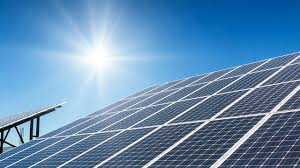
Solarear Solar Cells technology grows quickly today. Many families need a reliable power source for their daily tools. People want devices that stay charged even in remote areas.
New designs help support hearing needs. Some makers use solarear solar cells in small systems. These parts power hearing aids with clean energy. Others test solarear solar cells in low-cost kits. Simple builds help children with hearing loss gain steady support. The goal is clear. Keep sound access strong even when power lines fail.
Solar power also lowers waste. It reduces the need for throwaway batteries. This shift brings hope to low-income regions. It creates a path toward fair access. Anyone can use sun driven tools with ease. Solar ideas keep moving forward. Many communities see a brighter future with these solutions. More simple systems will guide users toward reliable energy in every season ahead.
Understanding Solarear Solar Cells
Exploring the Basics of Solarear Solar Cells
Solar cells that power hearing tools use simple parts and steady light capture. These units turn sunlight into clean energy that supports daily listening needs. Makers design them to work in heat, dust, and shifting outdoor conditions. Their stable flow helps users rely on sound devices in remote communities. Families value these tools because they last long and need little care each day.
These solar units support low-cost hearing aids used across many regions today. They reduce battery waste and give children with hearing loss steady sound access. Simple wiring lets families keep devices running without sudden power problems. Makers test each part to stay strong through rain, heat, and changing daylight. This design brings safe energy and clear hearing support to users in need.
Software’s Role in Enhancing Solar Efficiency
Enhancing Solar Efficiency through Software
Smart software boosts how well modern solar systems work each day. It tracks sunlight, adjusts power flow, and helps users save energy with ease. These tools guide panels toward better performance in changing weather. They also protect systems from wasted power and sudden faults. With steady updates and simple controls, software makes solar power stronger and far more reliable.
- Smart algorithms adjust energy flow for steady output
- Data analytics track power use and fine-tune system behavior
- Battery management systems protect storage from damage
- Software integration links panels, inverters, and storage for smooth control
- Energy management software predicts demand and reduces waste
Integration of AI in Solar Technology
Harnessing Artificial Intelligence for Enhanced Solar Solutions
Artificial Intelligence (AI) helps solar systems work smarter every day. It predicts sunlight patterns and adjusts panels automatically. Smart algorithms manage energy storage and usage efficiently. AI also reduces wasted power and improves battery life. These tools make solar setups more reliable in homes and communities.
AI supports remote monitoring of solar systems in real time. It detects faults and suggests fixes before problems grow. Predictive analytics optimizes energy flow for each device. Automated panel adjustment boosts performance in changing weather. Overall, AI creates smarter, safer, and more efficient solar-powered solutions for users everywhere.
The Impact of IoT on Solar Energy Systems
Harnessing the Internet of Things for Solar Advancements
The Internet of Things (IoT) connects solar devices for smarter energy use. Sensors track sunlight, temperature, and battery levels constantly. Connected devices share data to optimize performance automatically. Remote monitoring lets users check systems from anywhere. Smart grids integrate multiple systems for reliable energy across communities.
IoT-enabled solar systems reduce downtime and save maintenance costs. They alert users to faults before serious damage occurs. Data from connected devices helps improve efficiency over time. Smart usage prediction guides when to store or use energy. Overall, IoT creates a seamless, efficient, and responsive solar experience for every user.
Cybersecurity Challenges in Solar Software
Addressing Security in Solar Software Systems
Solar software systems store and manage sensitive energy data. Protecting them from unauthorized access is critical. Secure communication protocols keep devices and users safe. Regular updates prevent software vulnerabilities from being exploited. Strong cybersecurity practices ensure energy systems stay reliable for homes and communities.
Hackers can target connected solar devices if protections are weak. Data protection measures prevent theft or unauthorized use of personal information. Battery management systems rely on secure software to avoid malfunctions. Monitoring alerts help detect unusual activity quickly. Overall, addressing cybersecurity challenges safeguards both energy access and user trust in solar solutions.
Future Trends in Solar and Software Synergy

Emerging Synergies in Solar and Software
Modern solar systems work better with smart software integration. Data analytics optimize energy storage and usage automatically. AI algorithms predict sunlight and adjust panels for maximum output. Battery management systems extend life and reduce waste. Together, software and solar create efficient, reliable, and low-cost energy solutions that benefit homes, communities, and low-income regions worldwide.
Advancements in Solar-Powered Hearing Solutions
Solar-powered hearing instruments now last longer and charge faster using sunlight. They reduce the need for disposable batteries and lower costs. Children with hearing loss can enjoy consistent access to sound. Smart energy management software helps devices use power efficiently. These solutions improve hearing health and make assistive technology more accessible in low-income regions.
Software-Driven Energy Management
Energy management software helps solar systems run efficiently every day. It tracks power use and predicts demand to reduce waste. Smart algorithms control battery storage and optimize energy flow automatically. Connected devices share data for smooth operation across homes and communities. Overall, software-driven solutions make renewable energy more reliable, cost-effective, and easier to manage for users worldwide.
Innovations in Battery Technology
New battery designs store more energy and last longer than ever. Rechargeable batteries support solar-powered devices and reduce electronic waste. Battery management systems prevent overcharging and extend lifespan. Smart technology tracks usage and optimizes performance automatically. These innovations make energy storage safer, more efficient, and affordable for homes, low-income regions, and sustainable energy solutions worldwide.
Global Impact and Accessibility
Solar-powered solutions bring energy to low-income regions and developing countries. They reduce reliance on costly or polluting power sources. Accessible hearing instruments and devices improve the quality of life for children with hearing loss. Renewable energy systems promote sustainability and cut electronic waste. Overall, these innovations create fair, eco-friendly, and reliable energy access for communities worldwide.
FAQ’s
What powers solar hearing devices efficiently?
These devices rely on solarear solar cells to convert sunlight into energy, keeping hearing aids and ear instruments charged even in low-light or remote environments.
How long do solar-powered hearing tools last?
With solarear solar cells, these hearing instruments offer extended battery life and consistent performance, reducing the need for frequent replacements and supporting everyday listening needs.
Are these solar systems safe for children?
Yes, solarear solar cells provide stable energy for children with hearing loss, ensuring their hearing aids remain safe, reliable, and eco-friendly in any setting.
Can these devices work in low-light regions?
Solarear solar cells are designed to capture sunlight efficiently, allowing hearing aids and solar-powered ear devices to function even in areas with limited sunlight.
Do they reduce battery waste?
By using solarear solar cells, users rely less on disposable batteries, lowering electronic waste while supporting sustainable energy and accessible hearing solutions worldwide.
How affordable are solar hearing solutions?
Solar hearing instruments powered by solarear solar cells offer low-cost energy solutions, making assistive technology more accessible to low-income regions and developing countries.
Conclusion
Solar-powered hearing solutions are changing lives worldwide. Devices now last longer and charge faster with clean energy. Many children with hearing loss gain reliable access to sound every day. Low-income regions benefit from affordable and sustainable technology. These tools reduce battery waste and support eco-friendly energy use.
Innovators are using solarear solar cells to make hearing instruments more efficient. Smart software and energy management systems improve performance and safety. Communities can monitor devices remotely and adjust power easily. Solarear solar cells help families rely on energy without frequent replacements. Overall, solar-powered hearing devices bring accessibility, sustainability, and independence. They offer hope, convenience, and clear hearing for those who need it most, while promoting renewable energy solutions across the globe.