Introduction
You’ve probably admired those perfect gel manicures on Instagram and wondered if you could turn that creative spark into cold, hard cash. Well, here’s the truth: being a nail technician makes an excellent side hustle for anyone looking to earn extra income while doing something they genuinely enjoy.
Unlike traditional part-time jobs that chain you to someone else’s schedule, this beauty career gives you complete control over your time and earnings. Furthermore, you’re not just clocking in hours—you’re building valuable skills that can grow into a full-time business if you choose. The beauty industry continues thriving even during economic downturns because people always want to look and feel their best.
Why Nail Tech Work Stands Out Among Side Hustles
Starting a beauty industry side hustle beats most other options for several compelling reasons. First, you don’t need a college degree or massive startup investment. Second, your skills become more valuable over time rather than becoming obsolete like some tech-based gigs.
The earning potential genuinely surprises most people. While ride-share drivers might make $15-20 per hour after expenses, skilled nail techs often charge $30-50 per service. Additionally, a single client appointment can net you more than several hours of delivery driving.
Low Barrier to Entry
Getting started requires minimal upfront investment compared to other businesses. Starting a nail business from home might cost you $200-500 initially for basic supplies and certification. Compare that to opening a restaurant or buying franchise rights—nail tech work looks pretty attractive, doesn’t it?
Most states require completing a nail technology program, but these courses often take just a few weeks or months. Consequently, you’re not committing to years of schooling like traditional career paths demand.
Flexible Scheduling Options
Part-time nail tech work adapts to your existing life rather than demanding you rearrange everything. Got a full-time job? Work evenings and weekends. Stay-at-home parent? Schedule appointments during school hours. College student? Perfect—fit clients between classes.
This flexibility becomes even more valuable when you consider seasonal opportunities. Wedding season, prom time, and holidays naturally boost demand. Therefore, you can ramp up your availability during busy periods and scale back when life gets hectic.
Real Income Potential for Nail Technicians
Let’s talk numbers because that’s probably what you’re really wondering about. Nail technician extra cash varies dramatically based on your location, skill level, and business model, but here’s what you can realistically expect.
Beginning nail techs typically charge $25-40 per manicure and $35-60 for pedicures. If you’re working evenings as a nail technician and complete just three services per night, that’s $75-180 in your pocket. Not bad for a few hours of creative work.
Mobile nail technician services command premium pricing since you’re providing convenience. Clients gladly pay 20-30% more when you come to their home or office. This model works especially well for busy professionals, elderly clients, or those with mobility issues.
Breaking Down the Numbers
Here’s a realistic earning breakdown for different commitment levels:
Weekend Warrior Approach:
- 6-8 clients per weekend
- Average service price: $40
- Monthly earnings: $960-1,280
- Annual side income: $11,520-15,360
Serious Side Hustler:
- 15-20 clients per week
- Mix of services averaging $45
- Monthly earnings: $2,700-3,600
- Annual side income: $32,400-43,200
Home-Based Business Builder:
- 25-30 clients per week
- Premium pricing at $50 average
- Monthly earnings: $5,000-6,000
- Annual income: $60,000-72,000
These numbers assume you’re gradually building your client base and improving your skills. Starting out, you’ll likely earn less while you develop your reputation and technique.
Different Ways to Structure Your Nail Technician Side Hustle
Freelance nail tech work offers multiple business models, each with distinct advantages. Your choice depends on your goals, available space, and comfort level with different working arrangements.
Salon Booth Rental
Renting space in an established salon provides immediate credibility and walk-in traffic. You’ll typically pay $100-200 weekly for booth rental, but you keep all service revenue beyond that cost. This arrangement works well if you want to focus purely on providing services without handling marketing or client acquisition.
However, there’s a downside. You’re still somewhat tied to the salon’s schedule and policies. Plus, that weekly rent comes due whether you have clients or not.
Mobile Services
Nail services from home—meaning you travel to clients—offer maximum flexibility and premium pricing opportunities. You’ll need a portable kit and reliable transportation, but the convenience factor lets you charge significantly more.
This model works exceptionally well for:
- Busy executives who can’t leave the office
- Elderly clients with mobility limitations
- Group parties and special events
- Clients in upscale neighborhoods
Home Studio Setup
Converting part of your home into a nail studio gives you complete control while eliminating travel time. You’ll need proper ventilation, good lighting, and comfortable seating, but the overhead stays minimal compared to commercial rent.
Check local zoning laws and HOA restrictions before committing to this path. Some areas restrict home-based beauty businesses, while others welcome them with open arms.
Essential Skills and Certifications You’ll Need
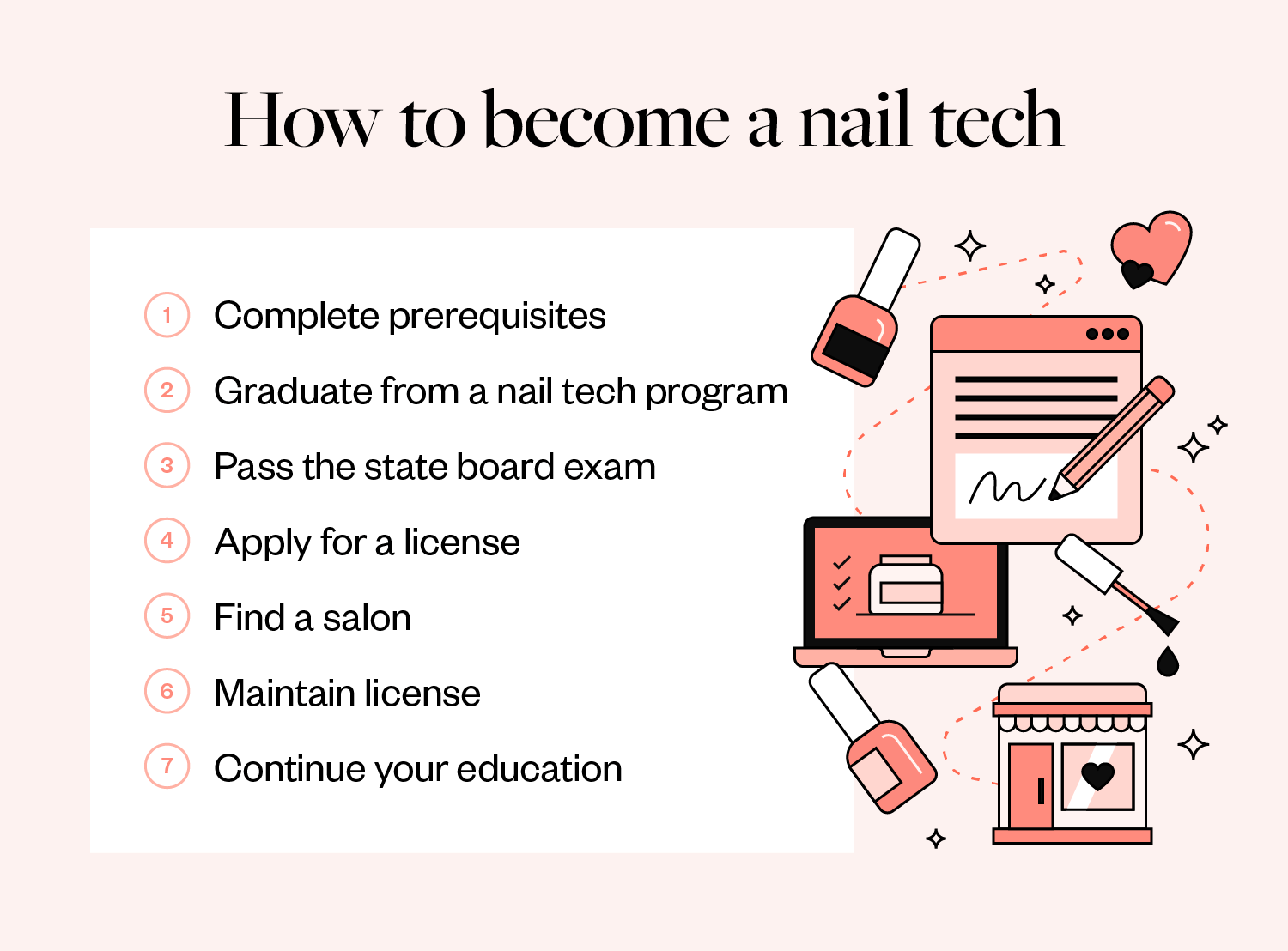
How to become a nail technician starts with understanding the required training and licensing in your state. Most states require completing an approved nail technology program and passing both written and practical exams.
Don’t worry—these programs focus on practical skills you’ll actually use rather than theoretical knowledge you’ll never apply. You’ll learn proper sanitation procedures, nail anatomy, various service techniques, and basic business practices.
Core Technical Skills
Monetizing beauty skills requires mastering several fundamental techniques:
- Basic manicure and pedicure services: Your bread-and-butter offerings
- Gel application and removal: Higher-margin services with longer-lasting results
- Nail art and design: Where creativity meets profitability
- Proper sanitation protocols: Essential for client safety and legal compliance
Advanced techniques like dipping powder, extensions, and intricate nail art command premium prices. However, master the basics first before expanding your service menu.
Business Skills Matter Too
Technical skills alone won’t guarantee success. You’ll also need to develop:
- Client communication and consultation abilities
- Basic bookkeeping and appointment scheduling
- Social media marketing for showcasing your work
- Inventory management and supply ordering
Getting Started: Your Step-by-Step Action Plan

Ready to explore whether nail tech weekend job opportunities suit your lifestyle and financial goals? Here’s your roadmap for getting started without overwhelming yourself.
Phase 1: Research and Planning (Weeks 1-2)
First, research your local market thoroughly. What do other nail techs charge? Where are the gaps in service? Are there underserved demographics or areas?
Visit several local salons as a customer. Observe their operations, pricing, and client interactions. This reconnaissance helps you understand what works and what doesn’t in your specific market.
Phase 2: Training and Certification (Weeks 3-12)
Enroll in a state-approved nail technology program. Many community colleges and private beauty schools offer both full-time and part-time options. Evening and weekend classes accommodate existing work schedules.
During training, pay special attention to sanitation procedures and state regulations. These aren’t just test requirements—they’re essential for protecting your clients and your business reputation.
Phase 3: Building Your Kit (Week 10-12)
Low investment business startup costs for nail tech work typically range from $300 to $800 for basic equipment. You’ll need:
- Professional-grade nail files and buffers
- Cuticle tools and pushers
- Base coats, topcoats, and polish collection
- UV or LED lamp for gel services
- Sanitization supplies and disinfectants
- Towels, cotton balls, and other consumables
Buy quality tools that will last rather than cheap alternatives you’ll replace quickly. Professional suppliers often offer student discounts, so ask about available deals.
Phase 4: Finding Your First Clients (Weeks 12-16)
Start with friends and family who can provide honest feedback and before/after photos for your portfolio. Offer discounted services initially in exchange for reviews and referrals.
Turning nail art into income requires showcasing your work effectively. Create Instagram and Facebook business pages featuring high-quality photos of your nail designs. Good lighting and composition make ordinary work look extraordinary.
Overcoming Common Challenges
Every skills-based side hustle comes with obstacles, and nail tech work is no exception. However, most challenges have straightforward solutions once you understand what to expect.
Building a Steady Client Base
The biggest hurdle most new nail techs face is attracting and retaining regular clients. Client-based income requires consistent marketing efforts and exceptional service delivery.
Start by offering introductory pricing to build your initial client roster. Once someone experiences your work firsthand, they’re much more likely to become regular customers and refer others.
Consistency matters more than perfection when you’re starting out. A reliable nail tech who provides good service on schedule beats an artistic genius who cancels appointments or shows up late.
Managing Time and Energy
Hands-on side hustle work can be physically demanding, especially if you’re doing this after a full-time job. Proper ergonomics and regular breaks prevent repetitive strain injuries that could sideline your earning potential.
Invest in a quality chair and ensure adequate lighting in your workspace. Your body will thank you, and you’ll produce better work when you’re comfortable.
Handling Difficult Clients
Every service business deals with challenging customers occasionally. Set clear boundaries and policies upfront to minimize conflicts. Require deposits for appointments, establish cancellation policies, and don’t hesitate to refuse service to clients who consistently cause problems.
Remember – you’re running a business, not a charity. Difficult clients often aren’t profitable anyway when you factor in the stress and time they consume.
Scaling Your Success Over Time
What starts as earning extra income as nail tech work can evolve into a substantial business if you choose to grow it. Many successful salon owners began exactly where you are now – wondering if nail tech work could supplement their income.
Advanced Service Offerings
Profitable side gigs in beauty often expand beyond basic manicures and pedicures. Consider adding:
- Nail extensions and sculptures: Higher-ticket services with better margins
- Specialty treatments: Paraffin dips, callus removal, nail repair
- Event services: Bridal parties, graduations, corporate events
- Teaching and mentoring: Share your expertise with aspiring nail techs
Each additional service increases your average ticket price and provides more reasons for clients to choose you over competitors.
Multiple Revenue Streams
Smart business owners diversify their income sources. Beyond direct service provision, consider:
- Retail product sales: Polish, treatments, and at-home care products
- Online content creation: YouTube tutorials, Instagram sponsored posts
- Affiliate marketing: Recommend tools and supplies you actually use
- Private training: Teach specific techniques to other beauty professionals
Weighing the Pros and Cons Honestly

Let’s be realistic about both the advantages and drawbacks of nail technician side job work. Like any business venture, this path isn’t perfect for everyone.
Major Advantages
- Flexible scheduling that adapts to your life
- Creative expression combined with income generation
- Low startup costs compared to most businesses
- Recession-resistant industry with consistent demand
- Scalable income potential from side gig to full-time business
- Personal satisfaction from helping clients look and feel better
Potential Drawbacks
- Physical demands of detailed handwork
- Chemical exposure requiring proper ventilation and protection
- Irregular income during the building phase
- Client acquisition challenges in competitive markets
- Continuing education requirements to maintain licensing
- Liability considerations requiring proper insurance coverage
Understanding these realities upfront helps you make an informed decision and prepare for success.
Frequently Asked Questions
What Makes Nail Tech Work a Good Side Business?
Nail technician good side hustle potential comes from its perfect combination of flexible scheduling, creative fulfillment, and solid earning potential. You can start small and grow at your own pace while building valuable skills that appreciate over time.
How Much Can You Realistically Earn as a Part-Time Nail Tech?
Part-time beauty career earnings vary widely based on location, skill level, and time commitment. Beginning techs working 10-15 hours weekly might earn $400-800 monthly. However, experienced professionals with established client bases can generate $2,000-4,000 monthly working part-time hours.
What’s the Best Way to Get Started with No Experience?
Starting with nail certifications is your first step. Enroll in a state-approved program, complete your licensing requirements, and begin practicing on friends and family. Build your portfolio gradually while developing your technical skills and business acumen.
Final Thoughts:
Being a nail technician as a side hustle offers real, accessible, and potentially quite profitable opportunities for the right person. If you enjoy working with your hands, have an eye for detail, and want flexible earning potential, this could be exactly what you’re looking for.
The beauty industry isn’t going anywhere. People will always want to look and feel their best, creating consistent demand for skilled nail professionals. Whether you’re looking to supplement your current income or testing the waters for a potential career change, nail tech work offers a practical path forward.
Start by researching your local market and training requirements. Take that first step, and you might be surprised where this creative, flexible nail tech career takes you. The investment in training and supplies is modest, but the potential returns—both financial and personal—can be substantial.
Remember, every successful nail technician started exactly where you are now: curious, perhaps a bit nervous, but ready to try something new. The question isn’t whether you can succeed—it’s whether you’re ready to begin.