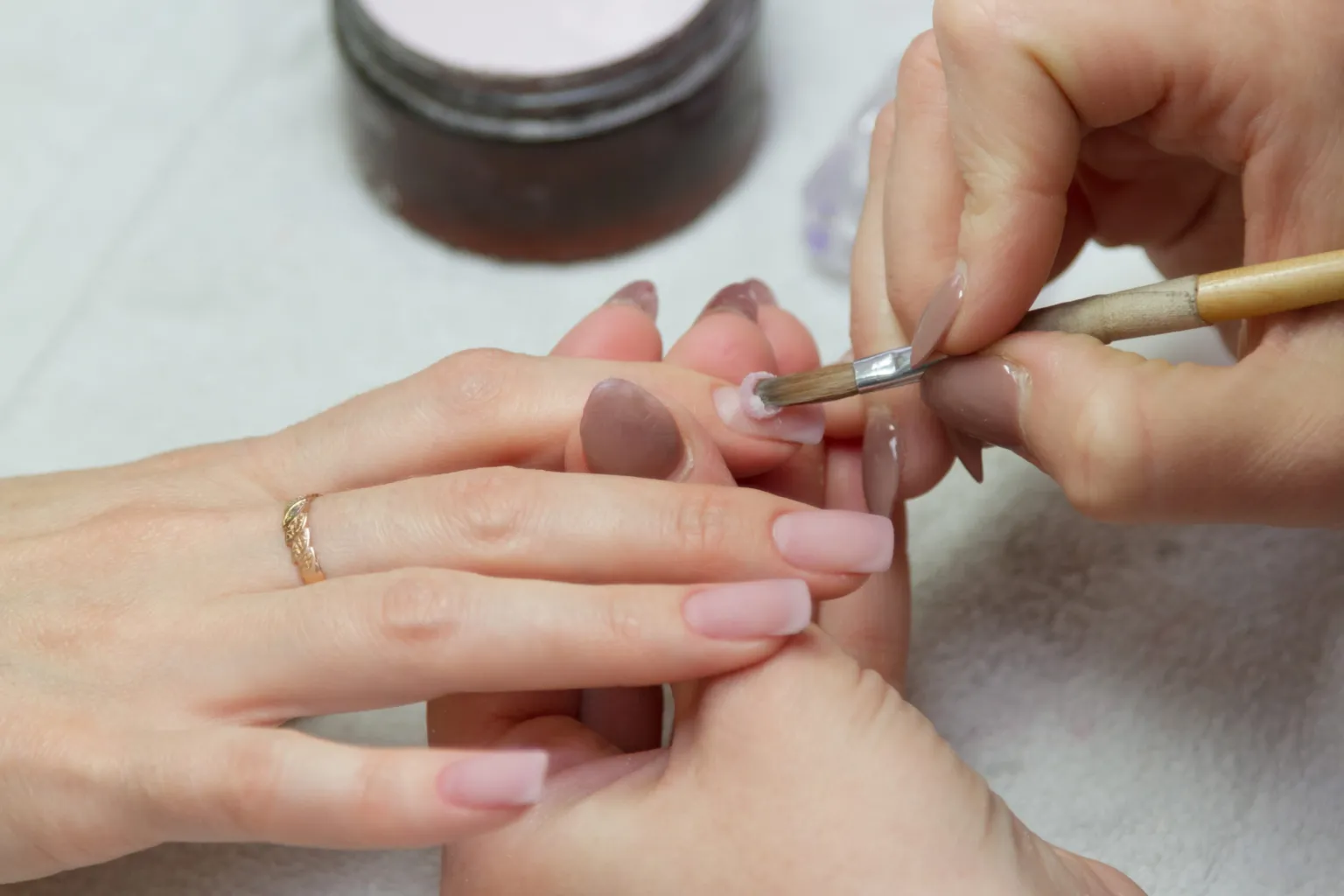
Introduction
Are you dreaming of turning your passion for nail art into a rewarding career? Illinois offers incredible opportunities for aspiring nail professionals, and the state’s beauty industry is booming. You can become a professional nail technician in Illinois; the exam class study requirements are more accessible than ever before.
However, navigating the certification process can feel overwhelming. From choosing the right nail technology school to passing your state board exam, there’s a lot to consider. That’s why we’ve created this comprehensive guide that covers everything you need to know about launching your nail tech career in the Prairie State.
Unlike other articles that give you basic information, we’ll dive deep into Illinois-specific requirements. Furthermore, we’ll provide insider tips from successful professionals and give you a clear roadmap to success. Let’s get started on your journey to professional beauty training.
Understanding Illinois Nail Technician Licensing Requirements
Before you can start your dream career, you need to understand what Illinois demands from professional nail technicians. The Illinois Department of Financial and Professional Regulation (IDFPR) oversees all nail technician license Illinois requirements.
First, you must be at least 17 years old with a high school diploma or equivalent. However, unlike some states that allow younger students to start, Illinois maintains this age requirement strictly. Additionally, you’ll need to complete either 350 hours of approved education or serve a 3,300-hour apprenticeship under a licensed nail technician.
The state also requires you to pass both written and practical examinations. Furthermore, Illinois mandates liability insurance coverage, which protects both you and your clients. Many new professionals overlook this requirement until the last minute, so plan ahead accordingly.
Most importantly, Illinois requires continuing education to maintain your license. You’ll need 10 hours of approved courses every two years. This ensures you stay current with industry trends, safety protocols, and new techniques that keep your skills sharp and your clients satisfied.
Choosing the Right Nail Technology School in Illinois
Selecting the perfect nail technology school sets the foundation for your entire career. Illinois offers numerous options, from large beauty academies in Chicago to smaller vocational nail programs in suburban areas. However, not all programs are created equal.
Start by verifying that your chosen school has Illinois IDFPR requirements approval. This ensures your education hours count toward your licensing requirements. Next, visit campuses in person to get a feel for the environment. Walk through their facilities, observe classes in session, and talk to current students about their experiences.
Consider the nail technology curriculum carefully. The best programs offer comprehensive training that goes beyond basic manicures and pedicures. Look for schools that teach nail enhancement methods, advanced nail art techniques, chemical safety protocols, and business development skills. These additional skills make you more marketable and increase your earning potential significantly.
Additionally, examine the school’s job placement assistance programs. Many successful nail tech schools maintain relationships with local salons and spas. They help graduates find positions or even assist with setting up independent practices. This support can be invaluable as you launch your career in the beauty industry.
Top Illinois Nail Tech Training Programs
Chicago Area Schools:
- Aveda Institute (Chicago): Known for comprehensive hands-on nail training
- Paul Mitchell The School (Chicago): Offers accelerated programs
- Tricoci University: Multiple locations with flexible scheduling
Suburban and Downstate Options:
- Hair Professionals Career College (various locations)
- John Amico School of Hair Design (Oak Forest)
- Pivot Point Academy (Bloomington)
Each school offers unique advantages. Some focus heavily on practical skills development, while others emphasize business training. Research thoroughly and choose the program that aligns with your career goals perfectly.
Mastering the Illinois State Board Exam: Study Strategies That Work
The Illinois state board exam consists of two parts: a written theory portion and a hands-on practical assessment. Success requires dedicated preparation, but with the right approach, you can pass confidently on your first attempt.
The theory exam questions cover infection control, nail anatomy, the chemistry of nail products, and state regulations. Illinois uses a computer-based testing system with 75 multiple-choice questions. You need a score of 75% to pass, giving you some room for error but requiring solid preparation nonetheless.
For effective studying, create a structured schedule that covers all topics systematically. Spend extra time on areas where you feel less confident about your knowledge. Many students struggle with the chemistry components, so don’t hesitate to seek additional help from instructors or classmates.
Mock exam practice is crucial for building confidence. Your school should provide practice tests that mirror the actual exam format. Take these seriously and time yourself to simulate real testing conditions effectively. Additionally, join study group resources with classmates. Teaching concepts to others reinforces your own understanding remarkably well.
Practical Skills Assessment Preparation
The practical portion tests your ability to perform actual nail services safely and professionally. You’ll need to bring your own equipment and demonstrate various techniques on live models or mannequins during the assessment.
Common practical exam requirements include:
- Manicure pedicure techniques demonstration
- Proper sanitation sterilization procedures
- Client consultation skills assessment
- Nail disorder recognition testing
- Equipment operation and safety protocols
Practice these skills repeatedly until they become second nature. Speed matters, but accuracy and safety are paramount during evaluation. Examiners watch for proper technique, adherence to sanitation protocols, and professional client interaction throughout the process.
Illinois Licensing Examination: What to Expect

When you’re ready to take your state licensing examination, proper preparation extends beyond studying the material. Understanding the testing process itself reduces anxiety and improves your performance significantly.
The written exam takes place at approved testing centers throughout Illinois. Arrive early with proper identification and any required documentation ready for review. The testing environment is quiet and monitored, similar to college entrance exams. You’ll have adequate time to complete the exam, so don’t rush through questions unnecessarily.
For the practical assessment, you’ll typically test at your school or another approved facility. Bring all required tools, products, and materials according to the provided checklist. Create a checklist beforehand to ensure you don’t forget anything essential for success. Missing equipment can result in automatic failure, unfortunately.
Exam review sessions offered by your school are incredibly valuable for final preparation. These sessions often reveal common mistakes and provide last-minute tips from instructors who understand the testing process intimately. Don’t skip these opportunities to improve your chances.
If you don’t pass on your first attempt, don’t get discouraged about the setback. Many successful professionals needed multiple tries to achieve their goals. Review your score breakdown to identify weak areas, then focus your additional study time accordingly for better results.
Building Practical Skills: From Student to Professional
Academic knowledge forms the foundation, but practical skills development determines your success in the real world. Illinois nail tech programs emphasize hands-on training, but you can accelerate your learning with additional practice outside of class.
Start practicing on friends and family members early in your program. This builds your confidence and helps you develop a steady hand for detailed work. Pay attention to timing—clients expect efficient service without sacrificing quality results. Professional nail technicians typically complete basic manicures in 30-45 minutes consistently.
Nail art academy techniques are increasingly important as clients seek unique, Instagram-worthy designs. Even if you don’t consider yourself artistic initially, learning basic nail art opens doors to higher-paying clientele. Start with simple designs and gradually build complexity as your skills improve over time.
Client consultation skills deserve special attention during your training. Learning to assess nail health, understand client preferences, and recommend appropriate services separates good technicians from great ones. Practice active listening and asking the right questions to ensure client satisfaction every single time.
Mastering Advanced Techniques
Don’t limit yourself to basic services during your career development. Nail enhancement methods like gel extensions, acrylics, and dip powder systems are highly requested by clients. These services also command higher prices, significantly boosting your income potential in the long run.
Chemical safety protocols become crucial when working with these advanced products regularly. Understanding proper ventilation, skin protection, and product storage ensures both your safety and your clients’ well-being. Illinois regulations are strict about these requirements, so take them seriously throughout your career.
Career Opportunities: From Salon Employee to Business Owner
Your professional certification process opens multiple career paths for future success. Understanding these options helps you make informed decisions about your future in the beauty industry landscape.
Nail salon employment offers steady income and learning opportunities for new professionals. Working alongside experienced professionals accelerates your skill development remarkably. However, salon positions typically involve revenue sharing, reducing your per-service earnings compared to independent work.
Alternatively, freelance nail services provide greater income potential and schedule flexibility for entrepreneurs. You can rent booth space in established salons, work from a home studio, or offer mobile nail technician services. These options require stronger business development skills but offer unlimited earning potential for motivated professionals.
Many professionals start as salon employees and then transition to independent practice once they build a client base. This progression allows you to learn the business aspects while earning steady income during the transition period.
Specialization Opportunities
The nail industry offers numerous specialization paths for career advancement:
- Medical pedicures for clients with diabetes or circulation issues
- Bridal and special event nail services
- Competition nail art and education
- Product sales and brand representation
- Nail salon management and ownership
Each specialization requires additional training but can significantly increase your earning potential and job satisfaction over time.
Continuing Education and Professional Development
Illinois requires cosmetology continuing education to maintain your license’s active status. Smart professionals view this as an opportunity rather than a burden for growth. The nail industry evolves constantly, with new techniques, products, and safety protocols emerging regularly.
Plan your continuing education strategically to maximize benefits. Focus on skills that enhance your marketability or address gaps in your current knowledge base. Popular continuing education topics include advanced nail art, gel system updates, and business management for beauty professionals seeking growth.
Professional networking through industry associations and trade shows provides valuable connections and learning opportunities. The Chicago nail tech community is particularly active, offering numerous networking events throughout the year for professionals to connect.
Consider pursuing additional certifications in related areas for expanded services. Esthetics training can expand your service menu options, while business courses help if you plan to open your own salon eventually. These investments in your education pay dividends throughout your entire career journey.
Regional Considerations for Illinois Nail Technicians
Illinois offers diverse opportunities depending on your location preferences and lifestyle goals. Chicago nail tech schools provide the most options and typically have strong industry connections with employers. The city’s competitive market pushes professionals to excel, but it also offers the highest earning potential available.
Suburban markets often provide better work-life balance and lower overhead costs if you’re planning independent practice. Small-town opportunities exist but may require more versatile skills since you’ll likely be one of few nail professionals in the area serving clients.
Midwest cosmetology programs are known for thorough training and strong ethical standards throughout the region. Illinois maintains some of the most comprehensive nail tech education requirements in the area, which enhances your credibility if you decide to work in other states later in your career.
Consider seasonal variations in different regions when planning your business strategy. Tourist areas experience busy summer seasons, while urban markets remain relatively steady year-round for consistent income. Understanding these patterns helps with business planning and income forecasting for long-term success.
Financial Planning for Your Nail Tech Career
Understanding the financial aspects of your career helps set realistic expectations and plan for success. Nail technician permit costs in Illinois include application fees, testing fees, and ongoing license renewal expenses that add up over time.
Initial startup costs vary significantly depending on your chosen career path and goals. Salon employees need basic tool kits costing $200-500 for getting started. Independent practitioners require more substantial investments in equipment, products, and potentially booth rental or studio setup costs.
Illinois nail technicians earn varying incomes based on location, experience, and service types offered. Entry-level professionals typically earn $25,000-35,000 annually, while experienced specialists can exceed $60,000 in earnings. Independent practitioners have unlimited earning potential but face additional business expenses to consider carefully.
Plan for ongoing professional development costs in your budget. Quality continuing education, new equipment, and product updates require regular investment throughout your career. However, these expenses are tax-deductible business costs that enhance your earning potential significantly over time.
Frequently Asked Questions
How long does it take to complete nail tech training in Illinois?
Most vocational nail programs in Illinois require 350 hours of education, which typically takes 3-4 months for full-time students. Part-time attendance usually extends the timeline to 6-8 months for completion. However, the timeline varies based on your school’s schedule and your personal availability for classes.
What’s included in the Illinois State Board practical exam for nail technicians?
The practical assessment covers manicure and pedicure techniques, sanitation procedures, nail health diagnosis, and professional client interaction skills. You’ll demonstrate these abilities on live models while examiners evaluate your technique, safety protocols, and professionalism throughout the entire process.
Can I transfer my Illinois nail technician license to other states easily?
Illinois maintains reciprocity agreements with many states, making license transfers easier for professionals. However, some states may require additional training or testing to meet their specific requirements. Research requirements in your destination state before making any moves to ensure a smooth transition process.
How much does it cost to become a professional nail technician in Illinois and complete the exam class study?
Total costs typically range from $3,000 to $8,000, including tuition, supplies, testing fees, and initial licensing expenses. This investment varies based on your chosen school and whether you attend full-time or part-time programs for your education.
What are the best test preparation materials for Illinois nail tech exams?
Your school should provide comprehensive state board test prep materials as part of your program. Additionally, consider purchasing supplemental study guides from Milady or other professional publishers for extra practice. Online practice tests and mobile apps can reinforce your learning and identify weak areas needing improvement.
Final Thoughts:
The journey to become a professional nail technician in the Illinois exam class study requirements might seem daunting initially. However, with proper preparation and dedication, you can build a rewarding career in this growing industry successfully.
Remember that success in the nail industry extends beyond technical skills alone. Building strong client relationships, maintaining professional standards, and staying current with industry trends separate successful professionals from those who struggle in the field. Illinois provides excellent opportunities for motivated individuals willing to invest in their education and professional development consistently.
Your journey starts with that first step—researching schools and beginning your education today. The Illinois nail tech community welcomes passionate professionals who prioritize client satisfaction and safety above all else. With dedication and proper preparation, you’ll soon join the ranks of successful nail technicians throughout the Prairie State.
Take action today by researching approved Illinois nail technology schools in your area. Your dream career in nail artistry awaits, and with this comprehensive guide, you’re equipped with the knowledge needed to succeed in Illinois’s thriving beauty industry landscape.