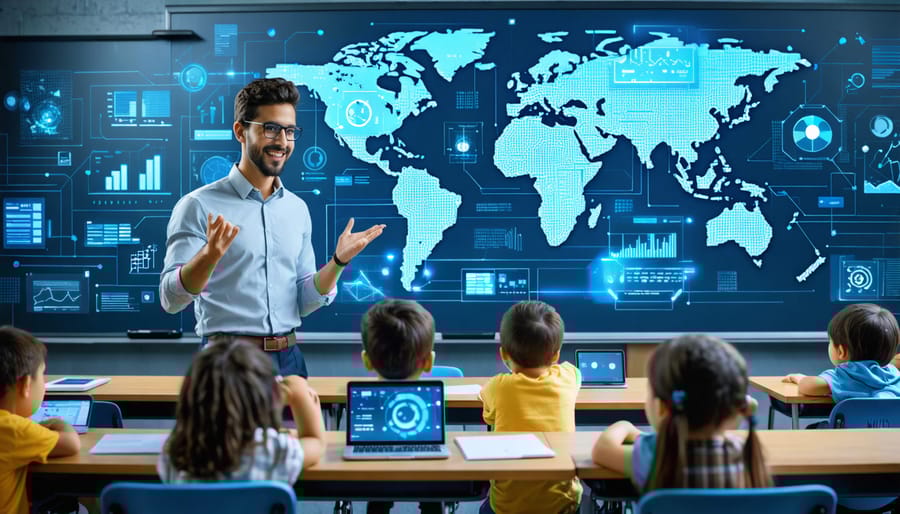
Sometimes students feel classrooms don’t match modern learning needs, and lessons feel slow or repetitive. How AI is Transforming Technology in the Classroom is changing this situation by making learning faster, simpler, and more connected to real-life understanding for students everywhere today.
In this blog, you will learn practical ways education is improving with technology and smart tools. How AI is Transforming Technology in the Classroom will be explained clearly so you understand the benefits for students, teachers, and future learning systems in schools today.
What Is Artificial Intelligence in Education?
Artificial intelligence in education means using smart technology to support teaching and learning in simple, helpful ways. It allows systems to understand student behavior and improve learning experiences. Today, classrooms are changing fast, and tools powered by AI are becoming common. How AI is Transforming Technology in the Classroom can be seen in how lessons adapt and respond to student needs. This makes learning more flexible, engaging, and easier to understand for students at different levels.
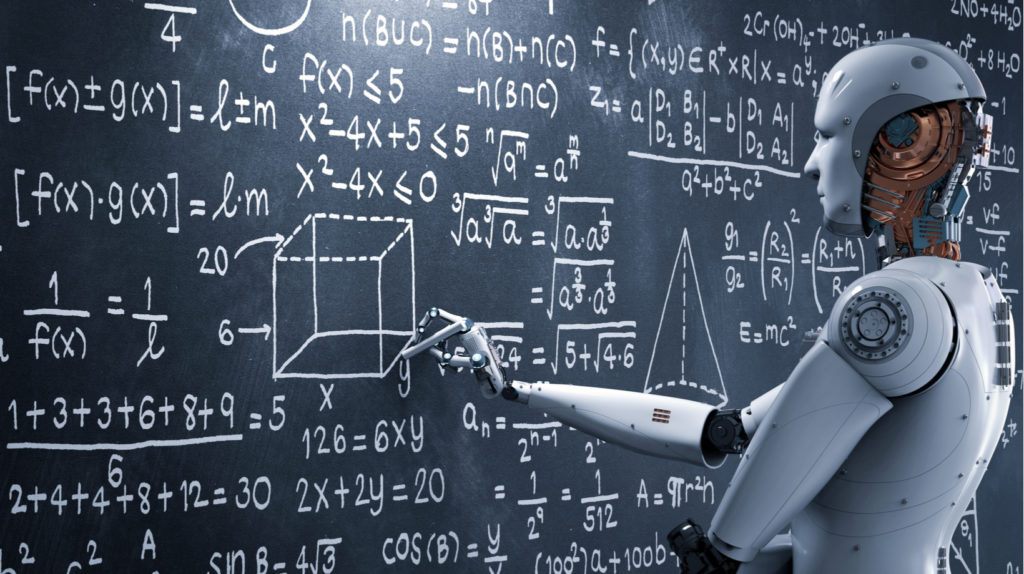
AI doesn’t replace teachers; instead, it helps them work smarter and save time on routine tasks. For example, grading and feedback can happen instantly using AI systems. This allows teachers to focus more on guiding and supporting students. How AI is Transforming Technology in the Classroom is also improving access to education through smart tools and platforms. As a result, students get better support, and learning becomes more interactive, efficient, and enjoyable.
- Artificial intelligence in education helps create personalized learning paths for students, allowing them to learn at their own pace with customized lessons and targeted academic support systems.
- AI-powered tools can analyze student performance data quickly and provide useful insights, helping teachers adjust their teaching methods and improve overall classroom learning outcomes effectively.
- Smart classrooms use AI technology to make lessons interactive, engaging students through digital tools, virtual simulations, and adaptive content that responds to their individual learning needs.
- Automated grading systems save teachers time by checking assignments instantly, reducing workload, and allowing more focus on teaching, mentoring, and meaningful student interactions inside classrooms.
- AI-driven tutoring systems act like personal tutors, guiding students step by step, explaining difficult concepts clearly, and offering additional practice to strengthen understanding and confidence.
- Real-time feedback provided by AI helps students correct mistakes immediately, improving their learning speed and ensuring they understand concepts before moving forward in their studies.
- AI supports inclusive education by offering tools like speech-to-text and text-to-speech, helping students with disabilities or learning challenges participate actively in classroom activities.
- Predictive analytics in education allows early identification of struggling students, enabling teachers to provide timely support and prevent learning gaps from becoming bigger academic problems later.
- AI tools also help in language learning by offering translation features and pronunciation guidance, making it easier for students to learn new languages and communicate effectively.
- Overall, AI is making education more efficient, accessible, and engaging, helping both students and teachers achieve better results through smarter use of technology in classrooms.
How AI Is Currently Being Used in Educational Settings
AI is helping teachers automate tasks, personalize lessons, track student progress, and create more engaging, efficient, and interactive learning experiences in modern classrooms.
Personalized Learning Experiences
AI helps create lessons that match each student’s pace and ability. It studies how students learn and adjusts content in real time. This makes learning more engaging and less stressful. Students feel more confident when lessons fit their level. How AI is Transforming Technology in the Classroom becomes clear when every learner gets a unique path. It supports better understanding and long-term knowledge.
Teachers can now focus on guiding instead of repeating the same lessons. AI tools suggest resources based on student performance. This keeps learning fresh and interactive every day. Students stay motivated because they see steady progress. How AI is Transforming Technology in the Classroom is visible in these smart, adaptive systems. It turns classrooms into flexible learning spaces.
Administrative Efficiency
AI reduces time spent on routine tasks like attendance and scheduling. Teachers can manage classrooms more smoothly with smart systems. This allows more time for actual teaching and student support. Schools also benefit from better organization and planning. How AI is Transforming Technology in the Classroom is clear through improved efficiency. It helps everything run faster and more accurately.
Automated tools handle paperwork and data entry with ease. This lowers stress for teachers and school staff. It also reduces human errors in records and reports. Teachers can now focus on creativity and interaction. How AI is Transforming Technology in the Classroom is shown in these time-saving solutions. It creates a more productive learning environment.
Assessment and Feedback
AI can quickly check assignments and provide instant results. Students don’t have to wait long for feedback anymore. This helps them fix mistakes and improve faster. Learning becomes more active and responsive. How AI is Transforming Technology in the Classroom is clear through instant feedback systems. It supports continuous improvement in student performance.
Teachers also get detailed reports about student progress. This helps them understand strengths and weaknesses better. They can adjust teaching methods based on real data. Students receive guidance that fits their needs. How AI is Transforming Technology in the Classroom is seen in smarter evaluation methods. It makes assessments more useful and fair.
Language Learning and Accessibility
AI tools help students learn new languages more easily. Features like translation and voice recognition improve understanding. Students can practice speaking and listening anytime. This builds confidence in communication skills. How AI is Transforming Technology in the Classroom is clear in language learning tools. It makes learning more interactive and practical.
AI also supports students with special learning needs. Tools like text-to-speech and speech-to-text improve accessibility. This allows everyone to participate equally in class activities. Learning becomes more inclusive and supportive for all. How AI is Transforming Technology in the Classroom is evident in these inclusive tools. It ensures no student is left behind.
Who Should Learn About AI in Education?
Artificial intelligence is no longer just for experts or developers. It is becoming an important part of everyday learning and teaching. Students, teachers, and even parents can benefit from understanding how it works. How AI is Transforming Technology in the Classroom shows why learning about AI is now essential. It helps people adapt to modern education trends and prepares them for future opportunities in a rapidly changing digital world.
Teachers should learn AI to improve their teaching methods and save time. With AI tools, they can create better lesson plans and track student progress easily. Students also need AI knowledge to stay competitive in future careers. How AI is Transforming Technology in the Classroom highlights how learning AI skills can improve academic performance and problem-solving abilities. It also helps build confidence in using modern technology effectively.
School leaders and policymakers should also understand AI in education. They make decisions that shape how technology is used in classrooms. Parents can support their children better when they understand AI tools. How AI is Transforming Technology in the Classroom makes it clear that everyone involved in education should learn about AI. It ensures smarter decisions, better learning experiences, and stronger preparation for the future.
- Students should learn AI basics to understand modern technology, improve problem-solving skills, and prepare for future careers where artificial intelligence plays a major role in different industries.
- Teachers benefit from learning AI by improving lesson planning, automating routine tasks, and using data insights to better support student learning and classroom engagement effectively.
- School administrators need AI knowledge to make better decisions about technology adoption, budgeting, and implementing systems that improve overall school performance and efficiency in daily operations.
- Parents who understand AI tools can better guide their children’s learning, monitor progress, and support the use of educational technology at home for improved academic outcomes.
- Educational researchers use AI to analyze learning patterns, develop new teaching strategies, and improve the effectiveness of educational programs through data-driven insights and innovation.
- Content creators and curriculum designers can use AI to build interactive, engaging, and personalized learning materials that match different student needs and improve knowledge retention.
- IT professionals in education must understand AI systems to manage, maintain, and secure digital platforms used in schools and ensure the smooth operation of the technology infrastructure.
- Policymakers should learn about AI to create fair regulations, address ethical concerns, and ensure equal access to advanced educational technologies across different regions and communities.
- Special education professionals can use AI tools to support students with disabilities, offering personalized learning solutions that improve accessibility and participation in classroom activities.
- Lifelong learners and professionals should explore AI in education to stay updated with technological changes, improve skills, and remain competitive in a fast-evolving digital learning environment.
Key Considerations and Challenges
AI in education brings benefits but also raises concerns like data privacy, bias, accessibility, and the need to balance technology with human teaching.
Data Privacy and Security
AI systems collect large amounts of student data every day. This includes grades, behavior, and learning patterns in digital platforms. Protecting this information is very important for schools and institutions. Strong security systems must be in place to avoid data misuse. How AI is Transforming Technology in the Classroom also brings new risks related to privacy. Schools must ensure that student data stays safe and confidential.
Many AI tools rely on cloud storage and online access systems. This increases the chances of data breaches if not handled properly. Teachers and administrators must understand basic security practices. Students should also be aware of how their data is used. How AI is Transforming Technology in the Classroom requires responsible data management. Clear policies help build trust among students, parents, and educators.
Algorithmic Bias
AI systems learn from data, but sometimes that data is not fair. This can lead to biased results in grading or recommendations. Students may receive unequal opportunities due to hidden biases. It is important to check and improve AI systems regularly. How AI is Transforming Technology in the Classroom also highlights the need for fairness. Developers must design systems that treat all students equally.
Teachers should not fully rely on AI decisions without review. Human judgment is still necessary to ensure fairness in outcomes. Schools must test AI tools before using them widely. Transparency in algorithms helps build confidence in their use. How AI is Transforming Technology in the Classroom depends on trust and fairness. Addressing bias ensures better learning experiences for everyone.
Digital Divide
Not all students have equal access to technology and the internet. This creates a gap between those who can use AI tools and those who cannot. Some schools may lack resources for advanced systems. This limits the benefits of AI in education for many learners. How AI is Transforming Technology in the Classroom must consider equal access. Without it, progress may leave some students behind.
Governments and institutions should work to reduce this gap. Providing devices and internet access can help more students benefit. Teachers should also adapt lessons for different access levels. Inclusive strategies ensure everyone gets equal opportunities to learn. How AI is Transforming Technology in the Classroom should support all students. Equal access makes education fair and balanced.
The Human Element
AI can support education, but it cannot replace human connection. Teachers play a key role in guiding, motivating, and inspiring students. Emotional support and understanding come from real human interaction. Students need encouragement that machines cannot fully provide. How AI is Transforming Technology in the Classroom still depends on teachers. Their role remains essential in shaping student growth and success.
The balance between technology and human teaching is very important. AI should assist teachers, not take their place in classrooms. Strong relationships improve student engagement and learning outcomes. Teachers bring creativity and empathy into education every day. How AI is Transforming Technology in the Classroom works best with human support. Combining both creates a powerful and effective learning environment.
What Educational Programs Should Cover
Educational programs should include basic AI knowledge for all students. They need to explain how AI works in simple terms. Students should learn how data is used in digital systems. This builds awareness of modern technology in everyday life. How AI is Transforming Technology in the Classroom should be part of learning content. It helps students understand real-world applications of AI in education.
Programs should also teach practical AI skills for future careers. Students must learn how to use AI tools safely and responsibly. Lessons should include critical thinking about technology use. This helps learners make better decisions in digital environments. How AI is Transforming Technology in the Classroom shows why updated curricula matter today. Education should prepare students for a technology-driven future.
AI Is Personalizing Learning for Every Student
AI is changing the way students learn by giving each learner a unique path. It studies performance, strengths, and weaknesses to adjust lessons in real time. This makes education more flexible and engaging for everyone. How AI is Transforming Technology in the Classroom can be seen in how students no longer follow the same pace. Instead, they learn in ways that match their individual needs and abilities for better understanding and progress.
Teachers also benefit because AI helps them understand each student more clearly. They can see who needs extra help and who is ready for advanced topics. This improves classroom support and saves valuable time. How AI is Transforming Technology in the Classroom shows how learning becomes more efficient and focused. It creates a balanced system where students receive the right guidance at the right time for better academic success.
- AI analyzes student performance data to create personalized learning paths that match individual strengths, weaknesses, and preferred learning styles for improved academic growth.
- Adaptive learning systems adjust lesson difficulty automatically based on student progress, ensuring each learner is challenged appropriately without feeling overwhelmed or bored during study sessions.
- Intelligent tutoring systems provide step-by-step guidance, helping students understand complex topics through simple explanations and interactive practice activities tailored to their needs.
- AI-powered platforms track learning speed and behavior, allowing teachers to identify struggling students early and offer timely support before gaps become larger problems.
- Personalized recommendations suggest videos, quizzes, and reading materials that suit each student’s learning level, making study sessions more engaging and effective overall.
- Real-time feedback from AI tools helps students correct mistakes instantly, reinforcing learning and building confidence through continuous improvement and active participation in lessons.
AI Is Helping Teachers Save Time and Focus on What Matters
AI is making teaching easier by handling repetitive tasks for educators. It helps with grading, attendance, and organizing lesson materials quickly and accurately. This reduces workload and gives teachers more free time. How AI is Transforming Technology in the Classroom is clear when teachers spend less time on paperwork. They can focus more on guiding students, improving learning quality, and building stronger classroom relationships with better attention and care.
With AI tools, teachers can understand student performance without manual effort. These systems highlight progress, weaknesses, and learning patterns instantly. This helps educators make faster and smarter decisions in class. How AI is Transforming Technology in the Classroom shows how teaching becomes more efficient and focused. Teachers can now spend energy on creativity, mentoring, and improving student engagement instead of routine administrative duties every day.
- AI automates grading tasks, allowing teachers to evaluate assignments quickly while maintaining accuracy and consistency in student assessments across different subjects and learning levels.
- Attendance tracking systems powered by AI record student presence automatically, reducing manual effort and minimizing errors in daily classroom management and school reporting tasks.
- Lesson planning tools suggest structured content and resources, helping teachers design more effective and engaging classroom activities tailored to student learning objectives and needs.
- AI analyzes student data to identify learning gaps, enabling teachers to provide targeted support and improve academic performance through timely intervention and guidance strategies.
- Administrative workflows become smoother with AI, as scheduling, record keeping, and communication tasks are handled efficiently without overwhelming teachers with repetitive responsibilities.
- Classroom engagement improves as teachers use saved time to focus on mentoring, creativity, and building stronger connections with students through personalized support and interaction.
AI Tools Are Making Learning More Engaging
AI tools are changing classrooms by making lessons more interactive and fun. Students no longer depend only on books and lectures. Instead, they use smart apps, games, and simulations. How AI is Transforming Technology in the Classroom is clear when students actively participate in learning. It keeps their attention longer and helps them understand complex topics in a simple, enjoyable way that feels more natural and exciting.
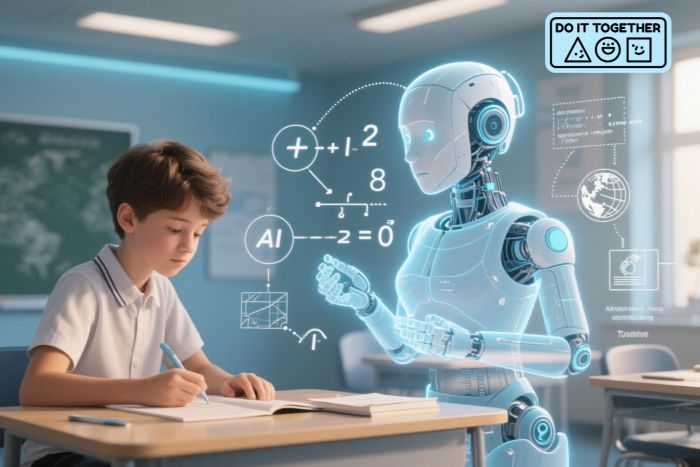
These tools also support different learning styles. Visual learners, audio learners, and hands-on learners all benefit from AI-based systems. Teachers can now create dynamic lessons that match student needs easily. How AI is Transforming Technology in the Classroom shows how engagement improves when technology is used wisely. Students feel more motivated, and learning becomes less stressful and more enjoyable in everyday classroom experiences.
- AI-powered educational games turn lessons into interactive challenges, helping students learn difficult topics through fun activities that improve focus and long-term memory retention.
- Virtual simulations allow students to explore real-world scenarios safely, such as science experiments or historical events, making abstract concepts easier to understand and remember.
- Interactive quizzes provide instant feedback, keeping students engaged while helping them track their progress and improve performance in a more motivating learning environment.
- AI-based storytelling tools present lessons in narrative formats, making subjects more interesting and helping students connect emotionally with the learning material effectively.
- Adaptive learning platforms adjust content difficulty in real time, ensuring students stay challenged without feeling frustrated or losing interest during study sessions.
- Multimedia integration combines videos, animations, and audio explanations, making lessons more dynamic and appealing for students with different learning preferences and strengths.
- AI chat assistants answer student questions instantly, encouraging curiosity and continuous engagement without waiting for teacher availability during study or practice time.
- Gamification features reward students with points, badges, or levels, motivating them to complete tasks and stay actively involved in their learning journey.
- Personalized content recommendations keep students engaged by suggesting relevant topics, exercises, and resources based on their interests and academic performance history.
- Collaborative AI tools enable group learning activities online, helping students work together, share ideas, and stay engaged through interactive digital classroom experiences.
Real-Time Feedback Helps Students Improve Faster
Real-time feedback helps students understand their mistakes instantly and improve without delay. It makes learning faster and more effective in daily classroom activities. How AI is Transforming Technology in the Classroom is clear when students receive instant guidance during practice. This approach keeps learners active and aware of their progress while building a stronger understanding through continuous correction and improvement in their studies.
Teachers also benefit from real-time insights about student performance. AI tools quickly highlight weak areas and suggest improvements. This saves time and improves teaching accuracy. How AI is Transforming Technology in the Classroom shows how feedback becomes smarter and more useful. Students stay motivated because they always know what to fix and how to improve step by step in their learning journey.
- AI provides instant corrections during quizzes and assignments, helping students understand mistakes immediately and improve accuracy in real-time learning environments effectively.
- Adaptive systems adjust difficulty levels based on student answers, ensuring continuous challenge and preventing boredom or frustration during study sessions.
- Teachers receive automated performance reports that highlight student strengths and weaknesses without manually reviewing every assignment or test submission.
- Learning platforms track progress continuously, giving students a clear view of their academic growth and areas needing improvement over time.
- AI tools suggest personalized study materials based on errors, helping students focus on topics where they need extra practice and support.
- Real-time dashboards allow educators to monitor entire classroom performance and quickly identify students requiring additional guidance or intervention strategies.
- Instant feedback systems improve engagement by keeping students actively involved in correcting and refining their answers during learning sessions.
- AI-powered practice tools simulate exam conditions and provide immediate scoring, helping students prepare more effectively for assessments and exams.
- Continuous feedback reduces learning gaps by ensuring misunderstandings are corrected before moving to more advanced concepts or lessons.
- Data-driven feedback encourages self-learning habits, allowing students to take responsibility for improving their performance independently over time.
AI Is Supporting Inclusive Education
AI is making education more inclusive by supporting students with different learning needs. It offers tools like voice assistance, translation, and reading support. How AI is Transforming Technology in the Classroom is visible when every student can participate equally in learning activities. This ensures that students with disabilities or challenges are not left behind in modern digital classrooms.
These technologies also help teachers adapt lessons for diverse learners. AI makes communication easier and removes learning barriers in the classroom. How AI is Transforming Technology in the Classroom shows how education becomes fairer and more accessible. Every student gets equal opportunities to learn, understand, and succeed regardless of their physical or cognitive limitations.
- AI speech-to-text tools help students with hearing or writing difficulties convert spoken lessons into readable text instantly for better understanding.
- Text-to-speech features assist visually impaired learners by reading digital content aloud in a clear and natural voice format.
- Language translation tools help multilingual students understand lessons easily by converting content into their preferred native languages.
- AI supports dyslexia-friendly reading tools that highlight words and improve reading flow for struggling learners effectively.
- Virtual assistants guide students through lessons step-by-step, making complex topics easier to understand for all learning abilities.
- Adaptive systems adjust content difficulty to match each student’s capability, ensuring fair and personalized learning experiences in classrooms.
- AI helps teachers design inclusive lesson plans that consider different student needs and learning styles efficiently.
- Communication tools powered by AI improve interaction between students and teachers across language and ability barriers.
- Accessibility features ensure students with disabilities can fully participate in digital classrooms without restrictions or limitations.
- Inclusive AI learning platforms promote equal education opportunities by removing traditional learning barriers and challenges in schools.
AI Is Making Education More Data-Driven
AI collects and analyzes student data to improve teaching and learning outcomes. It helps teachers understand performance trends and learning gaps easily. How AI is Transforming Technology in the Classroom becomes clear when decisions are based on real-time data instead of guesswork. This makes education more structured, accurate, and effective for both students and teachers in everyday learning environments.
Schools use AI insights to improve lesson planning and academic strategies. It helps educators make smarter decisions based on student behavior and results. How AI is Transforming Technology in the Classroom shows how data transforms education systems. This approach improves efficiency, strengthens learning quality, and supports better academic success for all students across different subjects and levels.
- AI analyzes student performance data to identify strengths and weaknesses for more effective teaching strategies and academic planning.
- Predictive analytics help teachers forecast student outcomes and take early action to prevent academic failure or struggles.
- Learning dashboards display real-time academic progress, helping educators monitor entire classrooms efficiently and accurately at any time.
- Data insights improve curriculum design by highlighting which topics students find difficult or easy to understand.
- AI tracks engagement levels, showing how actively students participate in lessons and learning activities daily.
- Performance trends help schools identify teaching gaps and improve instructional methods for better student outcomes overall.
- Automated reporting reduces manual work for teachers while providing detailed academic summaries for each student.
- Behavioral data analysis helps educators understand student learning habits and improve classroom strategies effectively.
- AI systems compare historical and current data to measure academic growth over time accurately.
- Data-driven education supports personalized learning by matching teaching methods with student needs and performance patterns.
The Future of AI in Classrooms
The future of education will be strongly shaped by AI technology. Classrooms will become more interactive, smart, and personalized. How AI is Transforming Technology in the Classroom shows how learning will continue to evolve with advanced tools. Students will experience more flexible learning environments that instantly adjust to their needs and abilities for better understanding and engagement.
Teachers will also benefit from smarter AI systems that improve lesson delivery and student support. Virtual classrooms and intelligent assistants will become common in education. How AI is Transforming Technology in the Classroom highlights a future where learning becomes more efficient and accessible. This evolution will improve student success and transform traditional teaching methods into modern digital experiences.
- AI will enable fully adaptive classrooms where lessons adjust instantly based on student performance and learning speed.
- Virtual reality and simulations will create immersive learning experiences for subjects like science, history, and geography.
- Intelligent tutoring systems will provide personalized guidance to students anytime, anywhere, without limitations of classroom schedules.
- AI-powered assistants will help teachers manage lessons, grading, and communication more efficiently in future schools.
- Smart learning environments will use sensors and data to improve student engagement and classroom interaction levels.
- Automated curriculum updates will ensure educational content stays relevant with global trends and technological advancements.
- Future classrooms will support hybrid learning models combining online and offline education seamlessly for students.
- AI will enhance collaboration tools, allowing students to work together across different locations and devices.
- Predictive systems will identify learning challenges early and provide solutions before problems grow larger.
- Education will become more personalized, inclusive, and flexible through the continuous advancement of AI technologies.
Will AI Replace Teachers? No — It Will Empower Them
AI will not replace teachers because human connection is essential in education. Teachers provide motivation, emotional support, and creativity that machines cannot offer. How AI is Transforming Technology in the Classroom shows that AI is a support system, not a replacement. It helps reduce workload and allows teachers to focus more on guiding and inspiring students in meaningful ways.
AI tools make teaching easier by handling repetitive tasks like grading and data analysis. This gives teachers more time to interact with students. How AI is Transforming Technology in the Classroom proves that technology strengthens teaching instead of replacing it. The combination of AI and teachers creates a more effective and balanced learning environment for better student success.
- AI reduces administrative workload by automating grading, attendance tracking, and report generation for teachers.
- Teachers gain more time for mentorship, creativity, and personalized student engagement in classrooms.
- AI provides data insights that help teachers understand student performance more deeply and accurately.
- Human empathy and emotional support from teachers remain essential for student development and motivation.
- AI supports lesson planning, but teachers decide how to deliver content effectively in classrooms.
- Technology enhances classroom interaction without replacing the teacher’s central role in education systems.
- Teachers use AI tools to identify struggling students early and provide targeted support.
- AI improves efficiency but cannot replace human judgment in educational decision-making processes.
- Classroom relationships become stronger when teachers use AI to focus on student interaction.
- The future of education depends on collaboration between AI systems and human educators working together.
Frequently Asked Questions
1. What is How AI is Transforming Technology in the Classroom?
It means using intelligent systems to improve teaching methods, learning experiences, and classroom efficiency through modern digital tools.
2. How is AI changing classroom technology today?
It changes classrooms by personalizing lessons, automating tasks, and providing instant feedback to improve learning outcomes effectively.
3. Why is How AI is Transforming Technology in the Classroom important?
It improves education quality, reduces teacher workload, and helps students learn faster through smarter and adaptive learning systems.
4. How does AI help students in the classroom?
It helps students with personalized lessons, interactive tools, and real-time feedback that support better understanding and progress.
5. Can AI replace teachers in classrooms?
No, it cannot replace teachers; it supports them by handling tasks so they can focus on guiding students.
6. What is the future of How AI is Transforming Technology in the Classroom?
It will include smarter classrooms, adaptive learning systems, and advanced tools improving accessibility, engagement, and overall education quality.
Conclusion
How AI is Transforming Technology in the Classroom is changing how students learn and how teachers teach every day. It makes lessons simple, fast, and more engaging for everyone. How AI is Transforming Technology in the Classroom also supports better understanding and personalized learning. Today, classroom AI is widely used in schools. Many people also search ai full form in education to understand its meaning.
In the future, how AI is Transforming Technology in the Classroom will improve education even more with smart tools and better systems. It will help teachers reduce workload and focus on students. Classroom AI will make learning easier and more interactive. Understanding ai full form in education helps us see how important this technology is for modern education systems.