Introduction
When setting up a home office or upgrading business infrastructure, many people find themselves puzzled by networking terminology. The confusion between Ethernet cables and network cables has left countless individuals scratching their heads in electronics stores and online marketplaces. While these terms appear interchangeable in casual conversation, understanding their technical distinctions can save money, prevent compatibility issues, and ensure optimal network performance.
This comprehensive guide reveals the real differences between Ethernet and network cables, explores various cable types, and provides practical insights for making informed purchasing decisions. Whether someone is a networking novice or an experienced IT professional, this information will clarify the relationship between these essential connectivity components.
Understanding Network Cables: The Broader Category
Network cables represent the entire family of physical connections used to link devices in computer networks. These cables serve as the backbone of wired communications, enabling data transmission between computers, routers, switches, and other network equipment.
The network cable category encompasses several distinct technologies, each designed for specific applications and performance requirements. Coaxial cables, commonly used in early networking and cable television systems, feature a central conductor surrounded by insulation and shielding. These cables excel in certain scenarios but have largely been superseded by more advanced alternatives in modern networking applications.
Fiber optic cables represent the premium tier of network connectivity, utilizing light pulses to transmit data through glass or plastic fibers. These cables deliver exceptional bandwidth capacity and can span tremendous distances without signal degradation. Major telecommunications companies and data centers rely heavily on fiber optic infrastructure for high-speed connections.
Twisted pair cables, which include Ethernet cables, constitute another major category within network cables. These cables feature pairs of copper wires twisted together to reduce electromagnetic interference and crosstalk. The twisting pattern helps maintain signal integrity over reasonable distances, making them ideal for office environments and residential applications.
Understanding this broader context helps clarify why Ethernet cables represent just one segment of the network cable marketplace. Each cable type serves specific purposes based on factors like transmission speed, distance requirements, environmental conditions, and budget constraints.
Ethernet Cables Explained: The IEEE 802.3 Standard

Ethernet cables specifically refer to twisted pair cables that comply with the IEEE 802.3 standard, which defines the physical and data link layer specifications for Ethernet networking. This standard emerged in the 1970s through collaboration between Xerox, Intel, and Digital Equipment Corporation, eventually becoming the dominant local area network (LAN) technology worldwide.
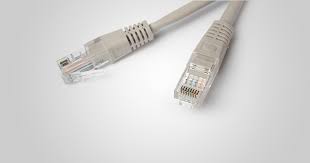
The IEEE 802.3 standard encompasses various physical implementations, but the most common Ethernet cables use unshielded twisted pair (UTP) or shielded twisted pair (STP) configurations. These cables typically terminate with RJ45 connectors, the familiar plastic plugs found on most networking equipment.
Ethernet technology has evolved significantly since its inception, with modern implementations supporting speeds ranging from 10 Megabits per second (Mbps) to 100 Gigabits per second (Gbps) and beyond. The cables themselves have been upgraded accordingly, with different category ratings indicating their performance capabilities.
The physical structure of Ethernet cables follows specific guidelines to ensure consistent performance. Each cable contains four pairs of twisted copper wires, with the number of twists per inch carefully calculated to minimize interference. The cable jacket provides protection against physical damage and environmental factors, while maintaining flexibility for installation purposes.
Modern Ethernet cables incorporate advanced features like improved shielding, better insulation materials, and optimized twist rates to support higher frequencies and faster data transmission rates. These enhancements enable Ethernet technology to remain competitive with newer networking alternatives.
Key Differences and Relationships: Clarifying the Connection
The relationship between Ethernet cables and network cables resembles the connection between automobiles and vehicles. All Ethernet cables qualify as network cables, but network cables include many types that are not Ethernet cables. This distinction becomes crucial when selecting cables for specific networking projects.
Technical specifications distinguish Ethernet cables from other network cable types. Ethernet cables must meet IEEE 802.3 standards for impedance, attenuation, crosstalk, and other electrical characteristics. These specifications ensure compatibility with Ethernet networking equipment and maintain signal quality across the connection.
The terminology often creates confusion in commercial settings, where vendors and customers use the terms interchangeably. Many retailers label their twisted pair cables as “network cables” or “LAN cables” rather than specifically identifying them as Ethernet cables. This marketing approach reflects the dominant position of Ethernet technology in modern networking.
Professional networking environments typically maintain stricter terminology distinctions. Network engineers and system administrators understand that specifying “Ethernet cable” indicates specific performance requirements and compatibility constraints. This precision helps prevent costly mistakes during large-scale installations.
The practical implications of these distinctions become apparent when troubleshooting network issues or planning upgrades. Using non-ethernet network cables in Ethernet-based systems can result in performance problems, compatibility issues, or complete connection failures. Understanding these relationships helps avoid such complications.
Ethernet Cable Categories: Performance Tiers and Specifications
Ethernet cables are classified to indicate their performance capabilities and intended applications. These category ratings, commonly abbreviated as “Cat” followed by a number, specify maximum transmission speeds, bandwidth capacity, and distance limitations.
Cat5e cables represent the minimum standard for most modern Ethernet applications, supporting speeds up to 1 Gigabit per second (Gbps) over distances up to 100 meters. The “e” designation stands for “enhanced,” indicating improvements over the original Cat5 standard. These cables feature better crosstalk reduction and can handle Gigabit Ethernet applications reliably.
Cat6 cables offer superior performance with support for speeds up to 10 Gbps over shorter distances (typically 55 meters) and 1 Gbps over the full 100-meter range. The improved specifications make Cat6 cables suitable for demanding applications like high-definition video streaming and large file transfers across business networks.
Cat6a cables, where “a” stands for “augmented,” extend 10 Gbps performance to the full 100-meter distance. These cables incorporate additional shielding and improved construction techniques to maintain signal quality over longer runs. Data centers and enterprise networks frequently specify Cat6a cables for future-proofing their infrastructure.
Cat7 cables introduce even higher performance specifications, supporting frequencies up to 600 MHz and theoretical speeds beyond 10 Gbps. However, Cat7 cables require different connectors (GG45 or TERA) to achieve their full potential, limiting their compatibility with standard RJ45 equipment. This compatibility issue has restricted Cat7 adoption in many applications.
Cat8 cables represent the latest advancement in Ethernet cable technology, designed primarily for data center applications. These cables support 25 Gbps and 40 Gbps applications over short distances (30 meters maximum), making them ideal for server-to-switch connections in high-performance computing environments.
Alternative Network Cable Types: Beyond Ethernet
While Ethernet cables dominate modern networking, other network cable types serve important roles in specific applications. Understanding these alternatives helps clarify the broader network cable landscape and identifies scenarios where non-ethernet solutions might be preferred.
Coaxial cables remain relevant in certain networking applications, particularly in cable internet systems and older building installations. These cables feature excellent shielding characteristics and can carry signals over longer distances than twisted pair cables. However, coaxial networks typically support lower speeds and require different installation techniques compared to Ethernet systems.
Fiber optic cables excel in high-speed, long-distance applications where Ethernet cables reach their limitations. Single-mode fiber can transmit data over distances measured in kilometers while maintaining exceptional signal quality. Multimode fiber offers more affordable options for shorter distances within buildings or campus environments.
The cost considerations for fiber optic installations often favor Ethernet cables in smaller networks. Fiber requires specialized connectors, more expensive networking equipment, and trained technicians for proper installation. These factors make Ethernet cables more practical for most residential and small business applications.
Legacy network cable types like Token Ring and ARCnet cables still exist in some older installations, though they are rarely specified for new projects. These cables represent historical approaches to network connectivity that have been superseded by more efficient Ethernet-based solutions.
Wireless networking has reduced the demand for physical cables in many applications, but wired connections remain essential for reliable, high-performance networking. Ethernet cables continue to provide the backbone connectivity for wireless access points, ensuring stable internet access throughout buildings.
Practical Applications and Use Cases
The choice between different Ethernet cable categories depends on specific application requirements, including transmission speed, distance, environmental conditions, and budget constraints. Residential networking typically relies on Cat5e or Cat6 cables, which provide adequate performance for internet access, streaming services, and home automation systems.
Small business networks often benefit from Cat6 or Cat6a cables, especially in environments with high data transfer requirements. Professional services like video production, architectural firms, and software development companies generate substantial network traffic that justifies the additional investment in higher-performance cables.
Enterprise networking environments frequently specify Cat6a cables as their minimum standard, with Cat8 cables reserved for critical data center connections. These organizations prioritize long-term performance and reliability over initial cost savings, understanding that cable replacement in established buildings involves significant labor expenses.
Gaming enthusiasts and content creators often prefer wired Ethernet connections over wireless alternatives due to lower latency and more consistent performance. Cat6 cables typically provide sufficient performance for these applications while maintaining reasonable costs.
Industrial networking applications may require specialized Ethernet cables with enhanced shielding, temperature resistance, or mechanical protection. These environments present unique challenges that standard office-grade cables cannot withstand reliably.
The structured cabling approach used in commercial buildings typically specifies Ethernet cables throughout the installation, even if some connections will initially carry voice or other non-data signals. This standardization simplifies maintenance and provides flexibility for future network changes.
Shopping and Selection Guide: Making Informed Decisions

Purchasing network cables requires careful consideration of technical specifications, quality factors, and intended applications. The terminology used by retailers can create confusion, with many products labeled simply as “network cables” or “internet cables” without specific category ratings or performance specifications.
Quality varies significantly among Ethernet cable manufacturers, with some products failing to meet their stated category specifications. Reputable manufacturers provide detailed technical documentation and often include test results demonstrating compliance with industry standards. Purchasing cables from established networking equipment vendors typically ensures better quality control.
Length requirements affect both performance and cost considerations. Ethernet cables maintain their full performance specifications only within their rated distance limits, typically 100 meters for most categories. Longer runs may require signal repeaters, fiber optic alternatives, or network switches to maintain adequate performance.
Connector quality significantly impacts connection reliability and signal integrity. High-quality RJ45 connectors feature gold-plated contacts and precise manufacturing tolerances that ensure consistent performance over time. Cheap connectors may cause intermittent connection problems or gradual performance degradation.
Cable jacket ratings become important in certain installation environments. Plenum-rated cables meet fire safety requirements for installation in air handling spaces, while outdoor-rated cables resist moisture and temperature extremes. These specialized jackets add cost but provide essential protection in appropriate applications.
Bulk purchasing can reduce per-foot costs for large installations, but requires careful planning to avoid waste. Many contractors maintain an inventory of common Ethernet cable types to reduce project costs and installation delays.
Performance Comparison and Technical Considerations
Transmission speed represents the most obvious performance difference between Ethernet cable categories, but other factors significantly impact real-world network performance. Bandwidth capacity determines how much data can flow through the cable simultaneously, affecting applications that involve multiple concurrent data streams.
Signal interference can degrade Ethernet cable performance, particularly in environments with numerous electronic devices or electrical equipment. Shielded twisted pair (STP) cables provide better protection against interference compared to unshielded twisted pair (UTP) cables, but require proper grounding to function effectively.
Cable construction quality affects long-term reliability and performance consistency. Better cables feature more precise twist rates, superior insulation materials, and improved manufacturing tolerances that maintain specifications over time. These quality differences may not be apparent during initial installation but become significant over the years of operation.
Environmental factors like temperature, humidity, and mechanical stress can impact cable performance. Cables installed in harsh conditions may experience gradual degradation that affects network reliability. Selecting appropriate cable types for specific environmental conditions helps ensure long-term performance.
Installation practices significantly influence Ethernet cable performance regardless of the cable category selected. Excessive bending, tight cable ties, and improper routing can degrade signal quality and reduce the effective performance below rated specifications. Following proper installation guidelines helps achieve the full performance potential of quality Ethernet cables.
Future Trends and Considerations
The networking industry continues evolving toward higher speeds and more demanding applications, driving continued development in Ethernet cable technology. Emerging standards like 25GBASE-T and 40GBASE-T will require advanced cable categories to achieve their full potential, potentially making current high-end cables the standard for future installations.
Power over Ethernet (PoE) applications are becoming increasingly common, with cables carrying both data and electrical power to devices like security cameras, wireless access points, and VoIP phones. These applications place additional demands on cable construction and may influence future category specifications.
The growth of Internet of Things (IoT) devices and smart building systems is increasing the demand for reliable Ethernet connectivity throughout commercial and residential buildings. This trend suggests continued strong demand for Ethernet cables despite the proliferation of wireless technologies.
Data center networking continues pushing toward higher speeds and greater efficiency, driving demand for advanced cable technologies. The transition to 25 Gbps and 100 Gbps Ethernet standards in enterprise environments will likely influence cable selection criteria for smaller networks as well.
Sustainability considerations are beginning to influence cable manufacturing, with some vendors offering recyclable cables or using environmentally friendly materials. These trends may become more significant as organizations prioritize environmental responsibility in their infrastructure decisions.
Conclusion:
The distinction between Ethernet cables and network cables reflects the evolution of networking technology and the dominant position of Ethernet standards in modern communications. While the terms are often used interchangeably in casual conversation, understanding their technical relationship helps make informed decisions about network infrastructure.
Ethernet cables represent a specific subset of network cables designed to meet IEEE 802.3 standards for local area networking. Other network cable types serve specialized applications where Ethernet may not be optimal, but the versatility and cost-effectiveness of Ethernet technology have made it the preferred choice for most networking applications.
Selecting the appropriate Ethernet cable category depends on specific performance requirements, environmental conditions, and budget constraints. Higher category cables provide better future-proofing and performance headroom, while basic categories may suffice for less demanding applications.
The practical implications of understanding these distinctions extend beyond simple purchasing decisions to encompass network troubleshooting, performance optimization, and infrastructure planning. Whether setting up a home network or designing enterprise communications systems, clarity about cable types and capabilities enables better outcomes and more efficient resource utilization.
As networking technology continues advancing, the fundamental principles of cable selection remain constant: match the cable specifications to the application requirements, prioritize quality and reliability, and consider future needs when making infrastructure investments. This approach ensures optimal network performance regardless of the specific terminology used to describe the cables.