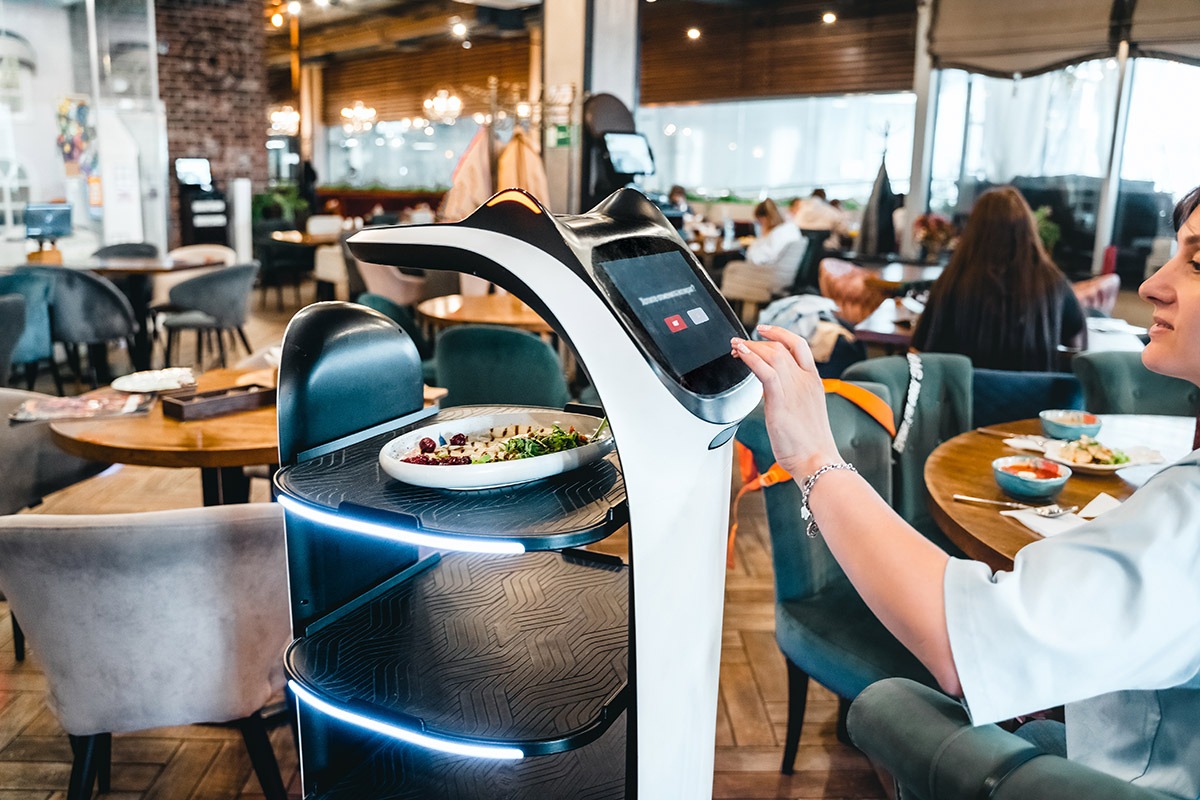
Automation in the food court ordering system case study shows how simple tools can change daily food service. Many teams study it when they start an online food ordering system project. This topic also helps students plan a clear Food Ordering System Project with real examples.
Many people now compare their ideas with an Automation in food court ordering system case study. It works well for anyone building an online food delivery system or a Food delivery app. These projects need simple steps, a clean design, and easy customer flow.
You can learn even more from an Automation in food court ordering system case study in an online food ordering system project PDF. It shows how fast service, smart menus, and smooth ordering improve user experience. It also teaches why digital food systems grow so quickly.
Understanding the Role of Automation in Food Courts

The Evolution of Automation in Food Courts
Automation in food courts keeps changing as new tools appear and old systems improve. Early setups used simple service kiosks that helped reduce long lines. Later, POS systems became smarter and faster. Today, automation blends AI, real-time data, and mobile tools to support smoother service. These changes shape how customers order food every day.
Modern food courts now depend on automated ordering systems that improve speed and accuracy. Robots handle simple tasks while staff focus on customer care. Real-time inventory updates help reduce waste and raise efficiency. The shift also solves labor challenges in busy fast food chains. As technology grows, automation continues to make the dining experience easier and more personal.
Enhancing Customer Experience
Enhancing customer experience in food courts starts with simple and fast ordering. Automated ordering systems cut long lines and reduce stress. Service kiosks guide you through each step with clear options. Real-time data helps staff respond quickly. These tools turn a rushed meal into a smoother and more pleasant dining moment for every customer.
Modern food court technology also supports personalized ordering that feels more human. You can view nutritional information and choose what fits your taste. Automated POS systems lower mistakes and improve accuracy in order processing. Staff focus on value-added tasks instead of routine work. Together, these changes create a friendly experience that keeps customers coming back.
Operational Efficiency and Data Utilization
Operational efficiency in food courts improves with automated ordering systems. Real-time data tracks orders and inventory accurately. Restaurants can reduce food waste and save costs. Staff spend less time on repetitive tasks. These systems make daily operations smoother and faster for everyone.
Data utilization drives smart decisions in fast food chains. Analytics show customer preferences and peak hours. Automated inventory tracking keeps popular items in stock. Managers use insights for better planning and labor allocation. This combination of technology and data boosts overall efficiency and performance.
Addressing Labor Challenges
Automation in food courts helps tackle labor challenges effectively. Robots and automated food preparation handle repetitive tasks. Staff can focus on personalized customer service. This shift reduces long hours and lowers stress for employees. Fast food chains benefit from smoother operations and better staff allocation.
Labor cost reduction is another key advantage. Automated POS systems and service kiosks cut reliance on extra staff. Real-time order tracking helps optimize workforce scheduling. Staff training focuses on technology use, not routine work. Overall, automation improves efficiency while keeping employees engaged and satisfied.
Technological Innovations Driving Change

Emerging Technologies Shaping Food Court Automation
New technologies are changing how food courts operate every day. AI in restaurants predicts customer preferences and improves inventory optimization. Machine learning in the food industry helps reduce food waste. Robotics in food preparation handles repetitive tasks with precision. Cloud-based systems and the Internet of Things (IoT) connect kitchens, kiosks, and POS systems seamlessly.
Voice-activated kiosks make ordering faster and easier. Automated delivery systems and robotic delivery improve service speed. Kitchen display systems show real-time data for staff efficiency. Blockchain in restaurants ensures transparency in food sourcing. Together, these innovations enhance operational efficiency and create a better dining experience for customers.
Service Kiosks and POS Systems
Service kiosks make ordering faster and more convenient for customers. Automated service kiosks guide users step by step, reducing mistakes. POS systems process payments instantly and track orders accurately. Real-time order tracking helps staff manage the kitchen efficiently. Together, these tools improve speed and accuracy in food courts.
POS systems also support data-driven decision-making. They provide insights into popular menu items and peak hours. Automated POS systems help reduce labor costs and optimize staff tasks. Customers can access personalized ordering and nutritional information. Overall, kiosks and POS systems boost customer satisfaction and operational efficiency.
AI and Machine Learning
AI in restaurants helps predict customer preferences and improve inventory optimization. Machine learning in the food industry analyzes order patterns to reduce food waste. These technologies support data-driven decision-making for faster, smarter operations. Fast food chains can adjust menus and stock in real-time. AI also improves accuracy in order processing and personalized customer service.
Automation in food courts benefits from AI-powered insights. Customer behavior analytics guide staff during demand and peak hours. Machine learning enhances automated ordering systems and robotic food preparation. It also supports operational efficiency and labor cost reduction. Overall, AI and machine learning create a smoother, smarter dining experience.
Robotics in Food Preparation
Robotics in food preparation handles repetitive tasks with high precision. Food preparation robots flip burgers, assemble sandwiches, and manage simple cooking steps. Automated food preparation ensures consistent quality in every order. This reduces mistakes and speeds up service in fast food chains. Staff can then focus on value-added tasks and personalized customer service.
Robotic systems also help manage high-order volumes efficiently. They integrate with automated ordering systems and kitchen display systems for a smooth workflow. Robotics in fast food improves operational efficiency and lowers labor costs. By combining robotics with AI and IoT, food courts deliver faster, more accurate, and enjoyable dining experiences.
Cloud-Based Systems and IoT
Cloud-based systems connect all parts of a food court seamlessly. Automated ordering systems, kitchen display systems, and POS systems share real-time data. This integration supports operational efficiency and reduces errors. Restaurants can track orders, inventory, and staff performance instantly. The Internet of Things (IoT) links devices for smoother workflow and faster service.
IoT and cloud technology also enable data-driven decision-making. Managers can monitor customer behavior analytics and predict demand accurately. Automated inventory tracking reduces food waste and ensures stock availability. Staff can focus on personalized ordering and customer satisfaction. Together, these systems make food court operations smarter, faster, and more reliable.
Benefits of Automated Ordering Systems

Advantages of Automated Ordering Systems in Food Courts
Automated ordering systems make food courts faster and more efficient. Service kiosks reduce wait times, while POS systems track orders accurately. Robotics handles food preparation with precision. Real-time data supports inventory management and reduces waste. Customers enjoy personalized ordering, nutritional information access, and a smoother dining experience, boosting satisfaction and loyalty across the restaurant.
- Automated kiosks shorten lines and speed up the ordering process, giving customers a faster, smoother, and more enjoyable dining experience every time they visit the food court.
- POS systems track orders and payments instantly, reducing human errors, ensuring accurate billing, and supporting seamless transactions for both staff and customers in busy food courts.
- Robotics in food preparation handles repetitive cooking tasks consistently, improving food quality, reducing mistakes, and freeing staff to focus on personalized customer service and higher-value activities.
- Real-time inventory tracking allows restaurants to maintain optimal stock levels, prevent shortages, and reduce food waste while improving operational efficiency and resource management.
- Customers can customize orders easily through automated systems, accessing nutritional information and special options that enhance their overall satisfaction and dining experience.
- Automation reduces labor costs by assigning routine tasks to machines, enabling staff to focus on customer engagement and providing more value-added services efficiently.
- Data-driven decision-making helps restaurants understand customer preferences, plan menus effectively, and improve operational efficiency while maintaining high-quality service standards.
- Faster checkout through automated POS systems reduces congestion, enhances customer satisfaction, and ensures a more streamlined flow in high-traffic food courts.
- Automated ordering systems improve order accuracy, reducing errors, complaints, and waste, which leads to a more reliable and pleasant dining experience for every customer.
- Technology integration in food courts, from kiosks to cloud-based systems, ensures smooth operations, enhances efficiency, and keeps customers happy while supporting staff productivity.
Challenges in Implementing Automation
Overcoming Barriers to Automation in Food Courts
Implementing automation in food courts comes with challenges. Infrastructure upgrades are often needed to support new technology. Data integration issues can slow down operations and cause errors. Staff training is essential to help employees adapt and reduce resistance to automation. Financial investment in automation may be high, but careful planning ensures long-term operational efficiency and improved customer satisfaction.
Technological and Infrastructure Challenges
Many food courts face technological and infrastructure challenges when adopting automation. Older systems may not support modern kiosks or POS systems. Upgrading networks and devices requires time and investment. Integration of cloud-based systems and IoT can be complex. Overcoming these challenges is essential to ensure smooth operations and maximize the benefits of automation in food court ordering systems.
Data Management and Integration
Effective data management is key to food court automation. Automated POS systems generate large amounts of real-time data. Integrating this data with inventory and kitchen systems can be challenging. Proper data flow ensures accurate orders and reduces food waste. Efficient data management supports data-driven decision-making and improves overall operational efficiency in fast food chains.
Human Factors and Staff Adaptation
Staff adaptation is critical for successful food court automation. Employees need training to use service kiosks and automated POS systems effectively. Resistance to automation can slow adoption and affect customer service. Clear guidance and support help staff feel confident with new technology. Engaged employees improve operational efficiency and enhance the overall dining experience for customers.
Cost and Financial Considerations
Investing in automation requires careful financial planning. Upgrading to service kiosks, automated POS systems, and robotics can be expensive. Maintenance and software updates add ongoing costs. Smaller food courts may face budget constraints. However, long-term savings from labor cost reduction and improved operational efficiency often outweigh the initial investment, making automation a smart choice for growth.
Customer Experience and Acceptance
Customer experience plays a vital role in food court automation. Some diners enjoy fast, accurate service from automated kiosks. Others prefer human interaction and personalized attention. Ensuring smooth operation and easy-to-use systems encourages acceptance. Gathering feedback helps improve service. Balancing automation with friendly staff support creates a satisfying dining experience for all customers.
Case Study: Successful Implementation
Real-World Success in Food Court Automation
A real-world success in food court automation shows how technology improves service and efficiency. Many teams use an online food ordering system project or Food Ordering System Project to study these results. Fast food chains integrate service kiosks, automated POS systems, and robotics to handle orders. Students can also learn from an online food delivery system project or a Food delivery app project. The lessons are often shared in an online food ordering system project PDF, highlighting smooth operations, reduced wait times, and improved customer satisfaction.
- Automated kiosks make ordering faster and simpler for all customers in busy food courts.
- POS systems track every order accurately to reduce mistakes and delays.
- Robotics in food preparation ensures consistent quality in every meal.
- Real-time inventory tracking keeps popular menu items always in stock.
- Cloud-based systems connect the kitchen, kiosks, and staff for smooth operations.
- AI predicts customer preferences, helping restaurants plan menus efficiently.
- Automated food preparation frees staff to focus on personalized customer service.
- Voice-activated kiosks offer faster, hands-free ordering for tech-savvy diners.
- Data-driven decision-making reduces food waste and operational costs effectively.
- Students studying the online food ordering system project PDF learn real-world automation benefits.
Future Trends in Food Court Automation

Emerging Trends Shaping the Future
Emerging trends are transforming food court automation rapidly. AI and machine learning improve customer preference prediction and inventory optimization. Voice-activated kiosks make ordering faster and easier. Robotics in food preparation and automated delivery systems increases service speed. Blockchain in restaurants ensures transparency in food sourcing. These technologies create smarter operations, enhance personalized customer service, and shape the future of food automation.
Integration of AI and Machine Learning
Integration of AI and machine learning in food courts enhances efficiency and accuracy. AI predicts customer preferences and helps with inventory optimization. Machine learning analyzes order patterns to reduce food waste. Automated ordering systems and robotics use this data to improve service speed. Together, these technologies boost operational efficiency, improve customer satisfaction, and support smarter decision-making in fast food chains.
Enhanced Customer Interaction with Voice Technology
Voice technology is changing how customers interact with food courts. Voice-activated kiosks let diners place orders quickly and hands-free. This speeds up service and reduces errors in order processing. Customers can customize meals and access nutritional information easily. Integrating voice technology with automated POS systems enhances the dining experience and boosts customer satisfaction in fast-paced food environments.
Robotics in Food Preparation and Delivery
Robotics in food preparation and delivery improves speed and consistency. Food preparation robots handle repetitive tasks like flipping burgers or assembling sandwiches. Automated delivery systems and robotic delivery ensure orders reach customers quickly. These technologies reduce labor costs and errors. By combining robotics with AI and cloud-based systems, food courts provide faster, accurate, and more satisfying dining experiences.
Blockchain for Transparency and Trust
Blockchain technology enhances transparency and trust in food courts. It tracks ingredients from source to plate, ensuring authenticity and quality. Customers can verify food sourcing and safety easily. Restaurants gain accurate, tamper-proof records for compliance and accountability. By integrating blockchain with automated ordering systems, food courts build trust, improve customer confidence, and create a reliable, transparent dining experience.
FAQ’s
What are the benefits of using automated systems in food courts?
Automation in the food court ordering system case study shows faster service, reduced errors, and improved customer satisfaction. Kiosks and robotics streamline operations efficiently.
How does technology improve order accuracy in fast food chains?
Automation in the food court ordering system case study highlights that POS systems and AI reduce mistakes, ensuring every order is processed accurately and delivered on time.
Can these systems help reduce labor costs for restaurants?
Yes, the automation in the food court ordering system case study demonstrates how robotics and automated POS systems lower labor costs while allowing staff to focus on personalized customer service.
How do restaurants manage inventory with new technology?
Automation in the food court ordering system case study uses real-time data and automated inventory tracking to optimize stock levels and reduce food waste effectively.
What impact does automation have on customer experience?
Automation in the food court ordering system case study improves speed, accuracy, and personalization, giving customers a smoother, more enjoyable dining experience while increasing overall satisfaction.
Conclusion
The Automation in the food court ordering system case study shows how technology transforms dining experiences. Fast food chains use service kiosks, robotics, and automated POS systems to improve speed and accuracy. Students can learn from this in an online food ordering system project or a Food Ordering System Project. It also helps in an online food delivery system project or a Food delivery app project. Lessons from an online food ordering system project PDF highlight smoother service, reduced wait times, and better customer satisfaction.
This Automation in the food court ordering system case study proves that automation enhances operational efficiency. It supports real-time inventory management, data-driven decision-making, and labor cost reduction. Businesses and students benefit from studying these systems. Implementing similar solutions can improve personalized ordering, customer experience, and future food court technology. The case study remains a valuable reference for innovation.